
Persian Gulf oil exports exceed 16 million barrels per day — OilPrice
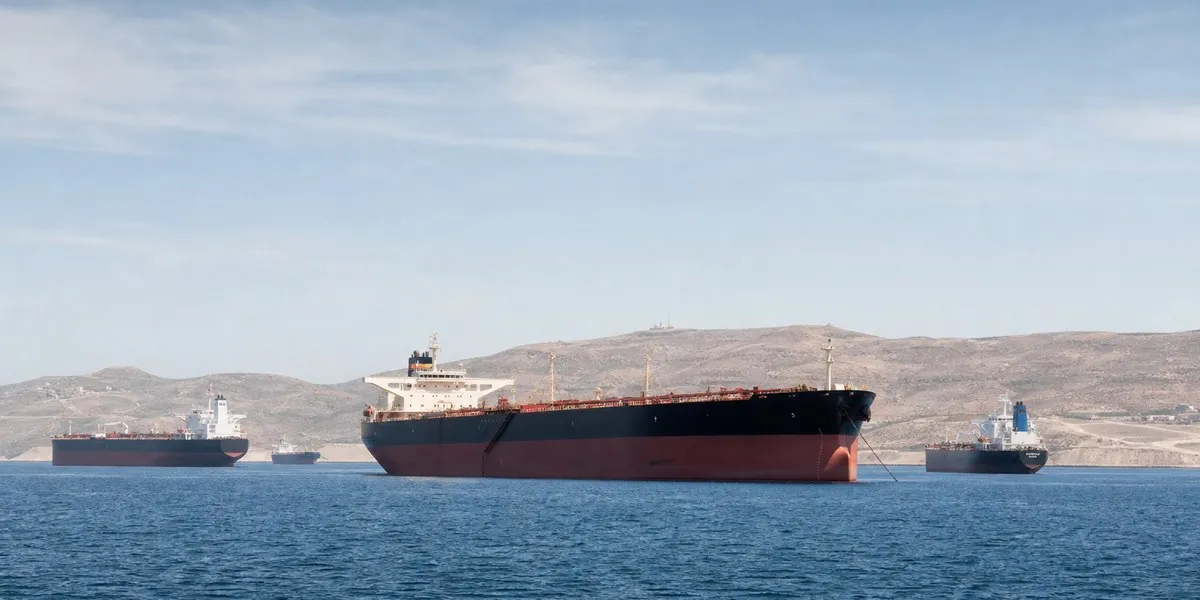
Crude oil exports from the Persian Gulf, excluding Iran, totaled at least 16.5 million barrels per day from September 1 to 28. This corresponds to the average pre-war level, OilPrice reports, citing analytics company Kpler.
New export routes
At the same time, the transportation structure has changed significantly. Before the war, 83% of the region's oil exports passed through the Strait of Hormuz. In September, approximately 60% of volumes, or 9.9 million barrels per day, physically crossed it. The remaining oil bypassed the strait via pipelines and other routes in Saudi Arabia and the United Arab Emirates.
According to Kpler, more than 70% of the oil that passed through the Strait of Hormuz in August was transferred from one tanker to another at sea in the Gulf of Oman. These operations have become an important part of the new export system, under which vessels deliver oil to larger tankers outside the Persian Gulf.
High costs and risks
The recovery of flows does not mean a return to normal trading conditions. Some shipping companies continue to operate amid significant risks, while some carriers lack insurance coverage. Most vessels passing through the Strait of Hormuz receive support from the U.S. Navy.
More current news is available on the UA.News Telegram channel Telegram.
Energy market analyst Ellen R. Wald said that Iran's ability or willingness to attack vessels in the gulf is declining. At the same time, she stressed that higher insurance costs, threats to shipping, and reliance on U.S. military escort maintain a war premium in oil prices.
Despite the increase in crude oil exports, refining problems persist. According to EU data cited in the publication as of October 1, retail diesel fuel prices in Europe reached record levels. Prices also increased in the United States.
Iran did not formally control the Strait of Hormuz, but its influence was based on its ability to make passage through it dangerous for shipping. New routes, pipelines, and offshore transfers are weakening this leverage, although the strait remains a vulnerable point for the region's oil exports.


