
Due to the crisis in the Strait of Hormuz, supertanker charter rates have reached $77 million
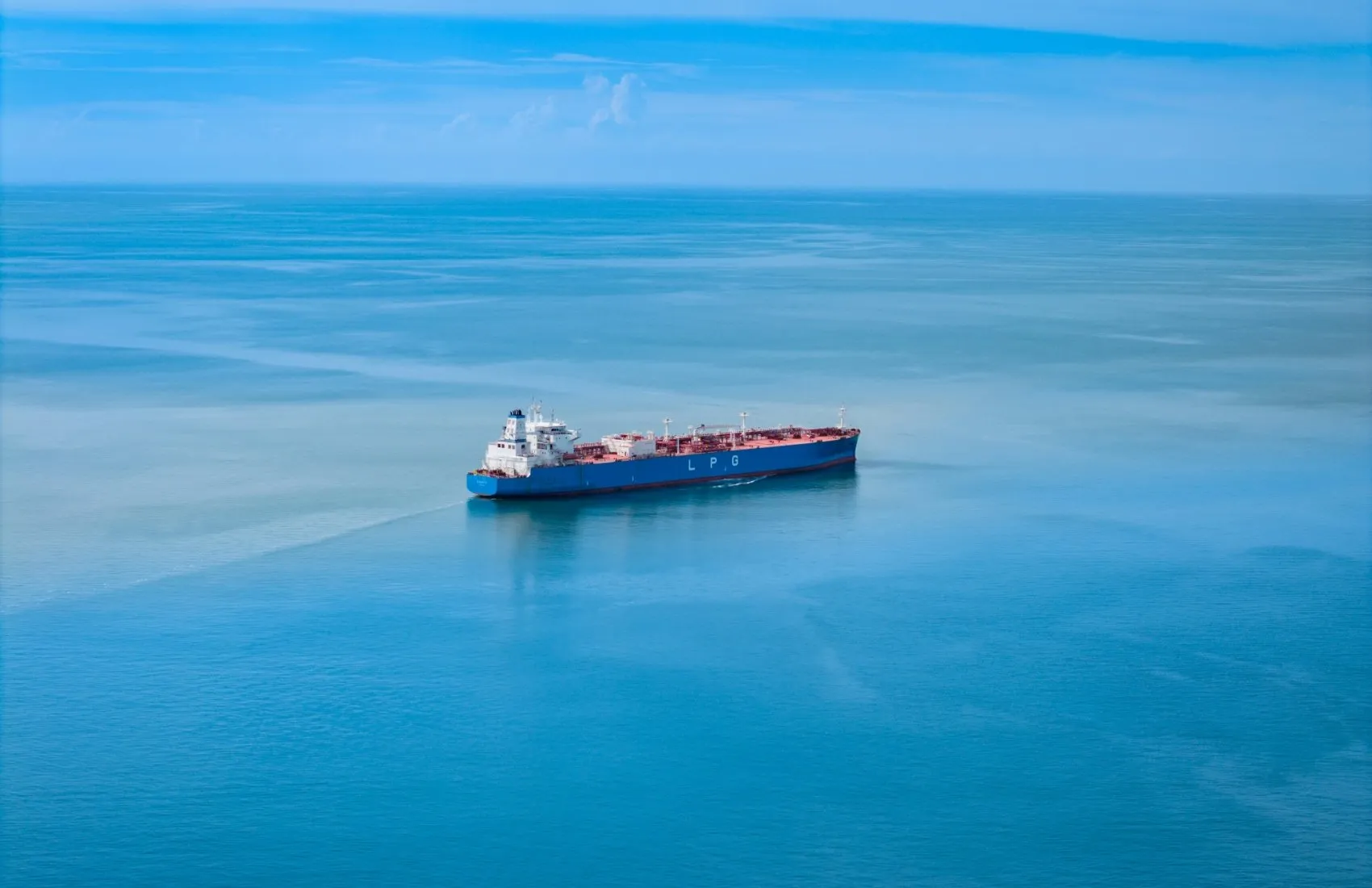
The cost of chartering oil supertankers has reached a new all-time high, rising to $77 million. This was caused by navigation issues in the Strait of Hormuz, which have placed a significant financial burden on the entire raw materials supply chain.
According to market data as of Wednesday, October 7, the charter rate for a VLCC (Very Large Crude Carrier) supertanker to transport U.S. crude oil to Asia reached $77 million. By comparison, the average rate in 2025 was only $9.2 million.
Impact on Prices and Oil Markets
While major crude oil futures are trading at around $100 per barrel directly at loading ports, the rising cost of maritime logistics is creating huge additional markups:
for a standard shipment of 2 million barrels, the current freight rate translates to additional shipping costs of about $38.50 per barrel;
in certain markets, particularly in West Africa, sellers are forced to offer significant discounts on their cargoes directly at export terminals to offset the exorbitant logistics costs.
Chaos in the tanker market due to the war
The war with Iran has caused chaos in the tanker shipping market, significantly altering the routes for exporting raw materials from the Middle East and sharply increasing transit times. Although export flows from the region have been gradually recovering in recent weeks, trade has become significantly more complicated than it was before the conflict began. This is increasing delivery times and effectively reducing the available tanker fleet.
This is reported with reference to data from Bloomberg.
In the Strait of Hormuz, attacks on three tankers were reported—OilPrice.
Used oil tankers have become more expensive than new ones for the first time.


