
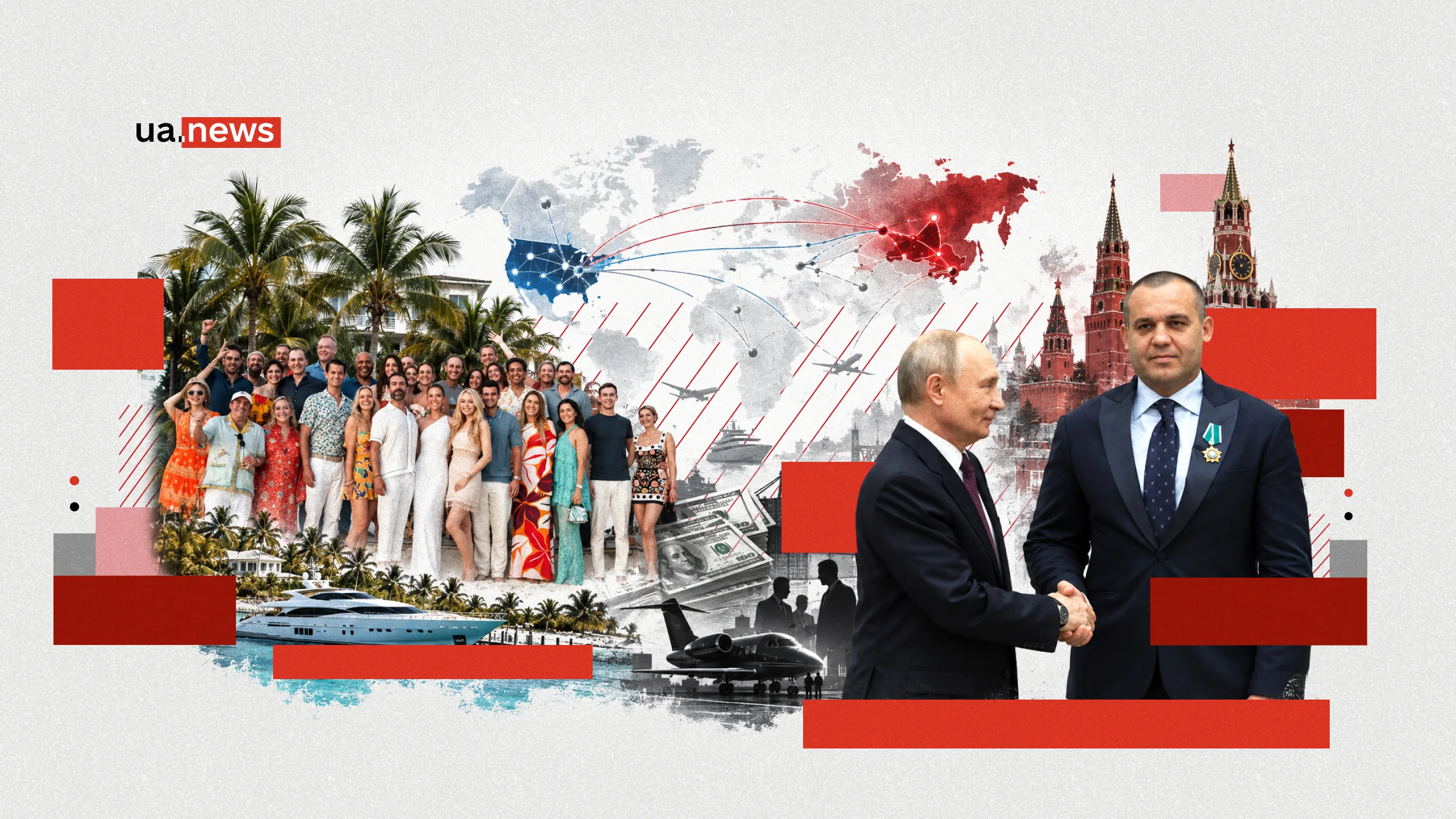
Sanctions against Russia do not, in and of themselves, dismantle the Kremlin’s networks of influence among American political and business elites. Evidence of this is the scandal that recently erupted over the wedding party of Donald Trump’s eldest son, which was paid for by a Russian oligarch close to Putin.
Although the White House has insisted that this is a matter of friendship and personal relationships that have nothing to do with politics. The Kremlin has publicly demonstrated its ability to forge ties with American elites, who, in turn, are willing to accept generous gifts.
Donald Trump’s critics have characterized this public incident as blatant “political corruption” and have initiated an investigation into the payments. It is noteworthy that this emerged against the backdrop of statements about a possible tightening of sanctions against Russia following the passage of the Lindsey Graham Act, thereby confirming that the actual relationship between Washington and Moscow is more complex.
How Russian capital continues to seek access to American elites and pursue a separate track of negotiations to end the war in Ukraine, and whether new “hellish sanctions” will become a tool to pressure the Kremlin—read more in this UA.News article.
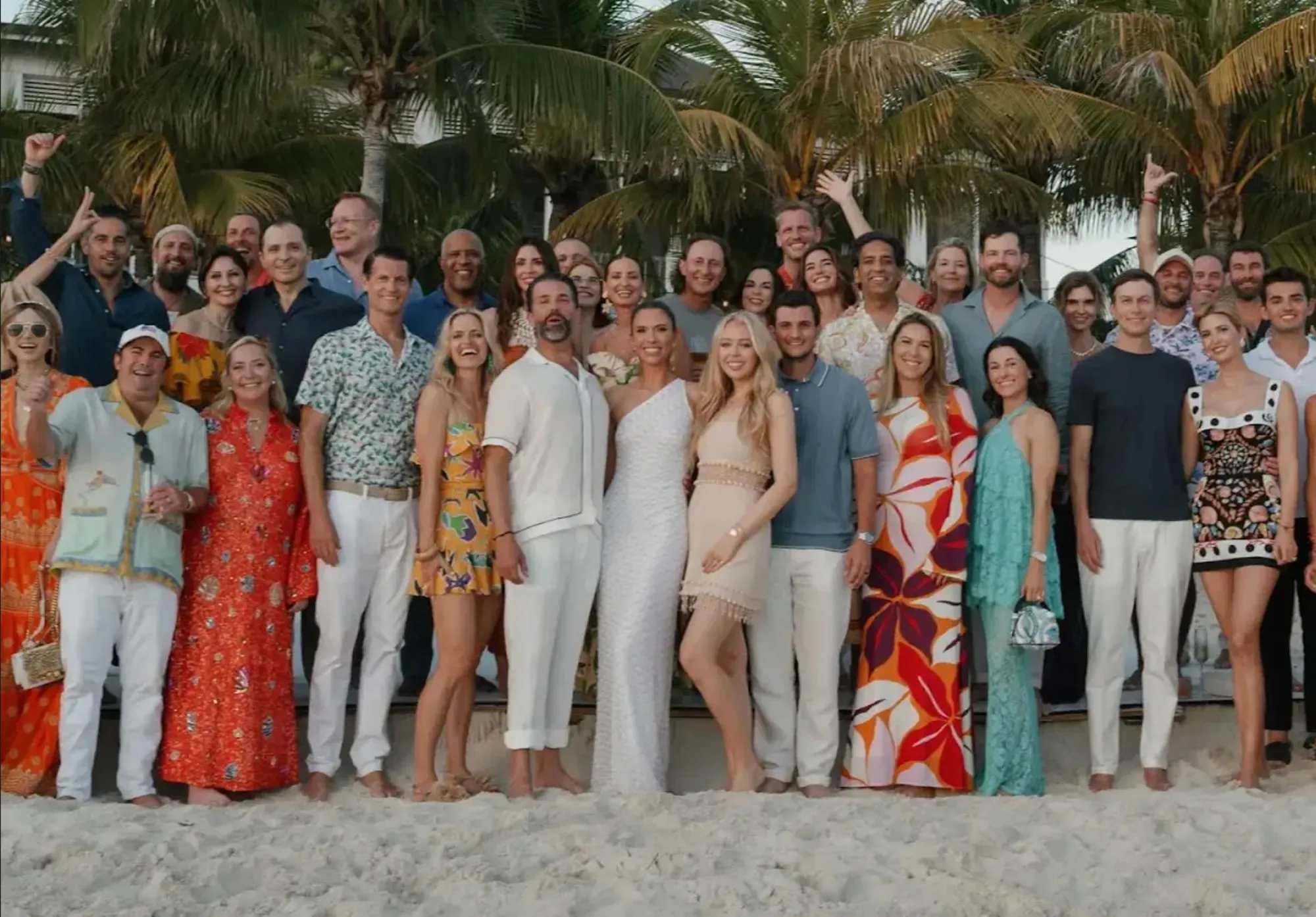
Wedding in the Bahamas
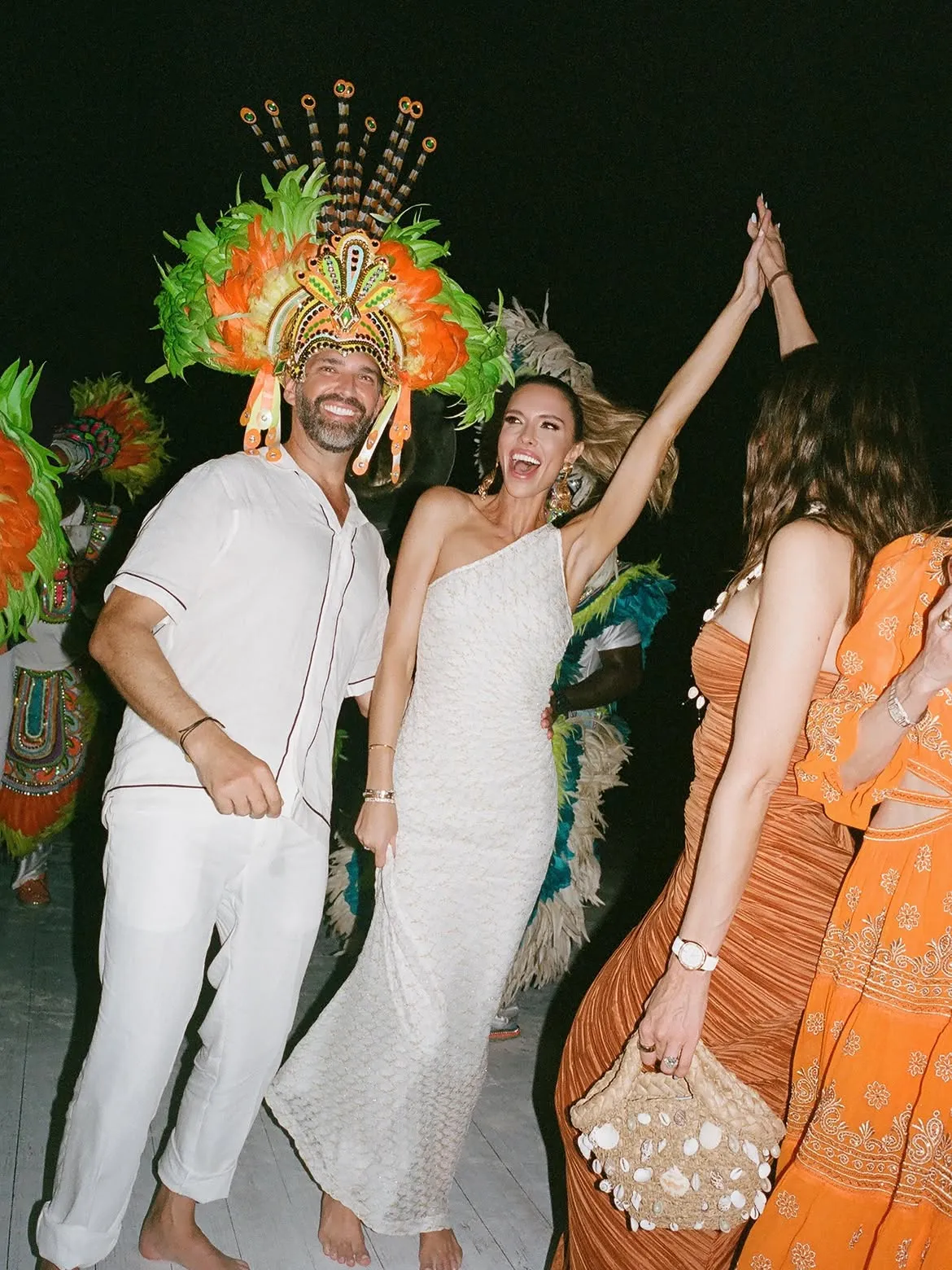
On May 24, a lavish wedding party was held on one of the private islands in the Bahamas to celebrate the marriage of Donald Trump Jr., the eldest son of the U.S. president. The high-profile celebration, which was later widely covered by the American media, raised questions about the work of counterintelligence and, more broadly, threats to national security.
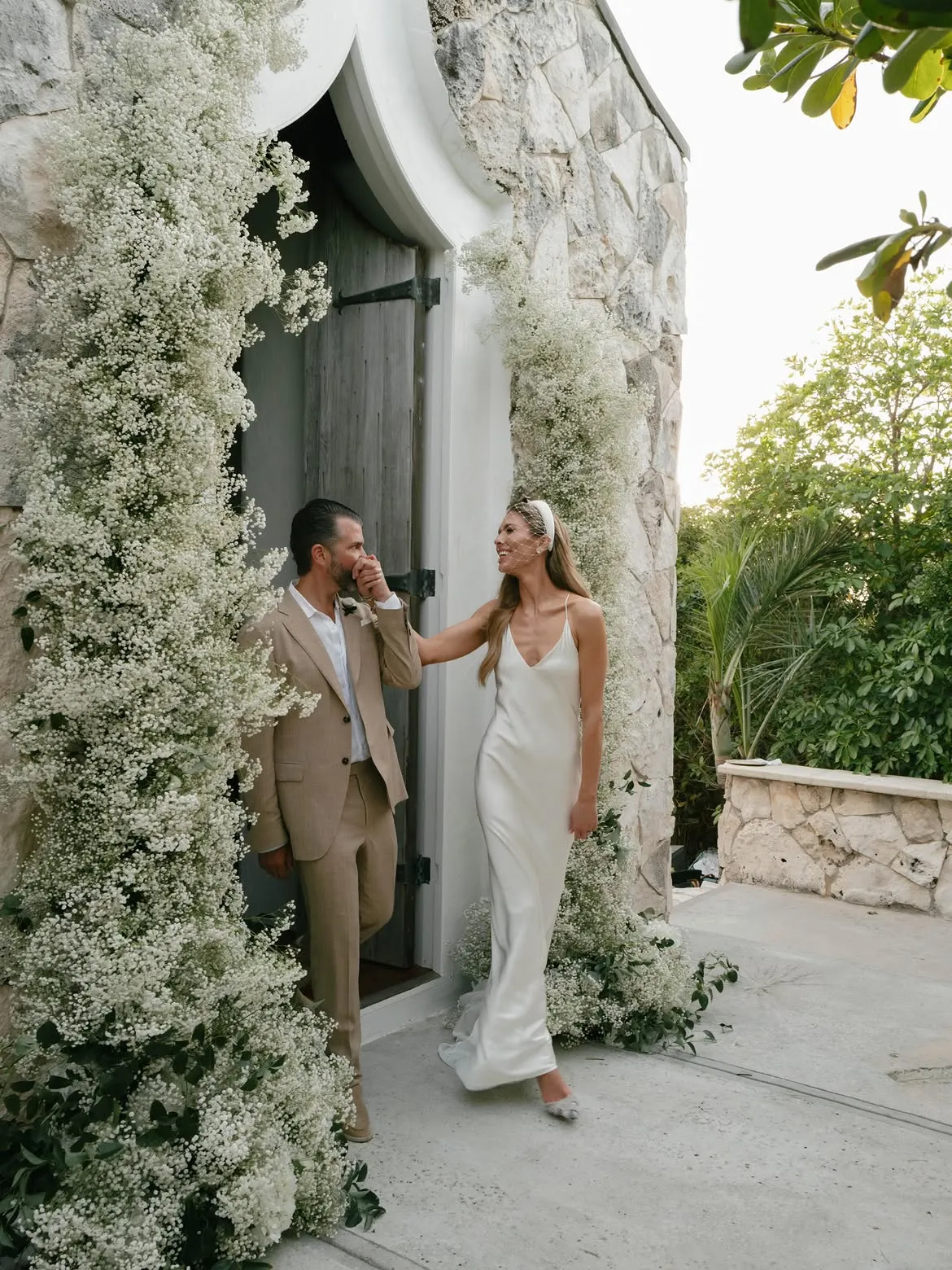
The
fact is that Russian oligarch Umar Kremlev, who is close to Russian dictator Vladimir Putin, financed the rental of the island, the organization of the party itself, and the celebratory fireworks. ProPublica found that Kremlev paid hundreds of thousands of dollars for the wedding expenses. The payments came from an entity in Dubai linked to the International Boxing Association (IBA), which is headed by Kremlev.
In addition to Kremlev, there was also “a large group of people at the wedding whose presence puzzled the other guests. They stood apart, speaking Russian.”
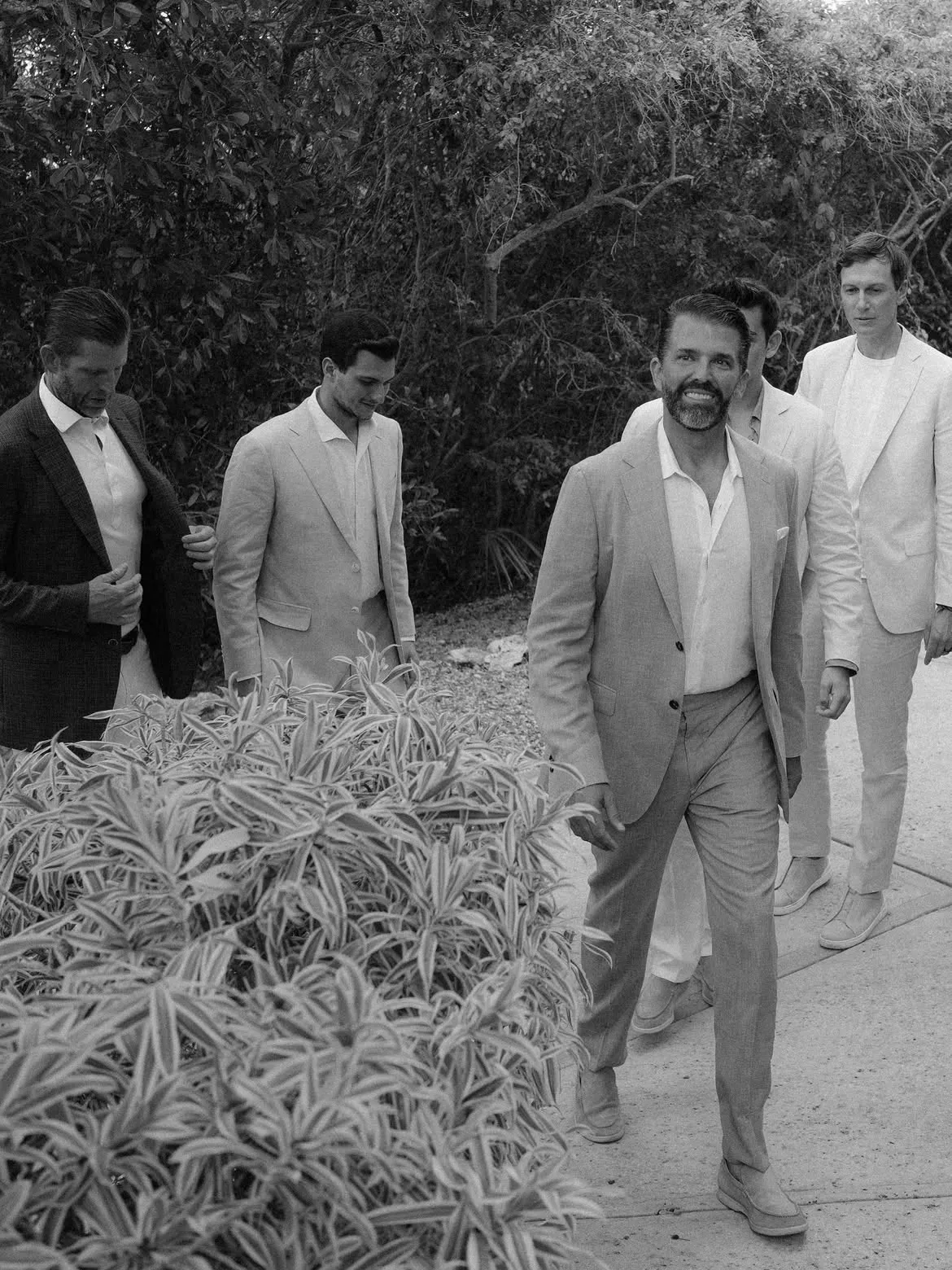
Also present
at the wedding was Jared Kushner, the husband of Ivanka Trump—Donald Trump Jr.’s sister—who serves as the Trump administration’s special representative for resolving Russia’s war against Ukraine. His representatives never responded to journalists’ inquiries regarding his presence at the celebration, which was paid for by a Russian oligarch.
At the same time, Donald Jr.’s wife was not shy about commenting, stating that “our dear friend Umar very generously threw two incredible parties for us after the wedding.”
“It’s unfortunate that such a personal and joyful event can be distorted, giving it a political or sinister connotation, simply because of who a person is or where they come from. Friendship doesn’t require political motives. Generosity doesn’t always have a hidden agenda. And sometimes a wedding gift is just a wedding gift. We are lucky to have wonderful friends from all over the world, and we will never be ashamed of our gratitude toward them or feel the need to justify it,” Bettina Trump wrote on social media.
A
spokesperson for Trump Jr. also did not deny that Umar Kremlev covered the wedding expenses, explaining that he is a “personal friend” of the president’s son. They reportedly met through a mutual friend and became friends through their shared love of outdoor activities and boxing—Kremlev heads the International Boxing Association, which is funded by Gazprom.
The Russian oligarch’s press office also confirmed that the two men “share a friendly relationship,” which they say began “several years ago.” At the same time, he “has never discussed political issues with any of his American friends or acquaintances.”
Later, President Donald Trump stated that he does not personally know Kremlev. Regarding the funding of the party in honor of his son’s wedding, he said, “Nothing special!”
“I have no idea who Umar is, I’ve never heard of him, and he did not pay for Don and Bettina’s wedding, which took place in a completely different location and on a different day,” reads the president’s statement, released by the White House. Donald Trump also added that he was not present at the wedding celebrations.
The question remains as to why Kremlev helped finance Trump Jr.’s wedding party. The U.S. president’s eldest son could easily have paid those bills himself. According to Forbes estimates, his net worth is $300 million.
Umar Kremlev is an oligarch with a criminal past who is close to Vladimir Putin. A few days before Trump Jr.’s wedding, Kremlev was in China as part of the delegation accompanying Putin. This was reported by Chinese state media. And a month before this scandal, Putin awarded Kremlev the Order of Friendship.
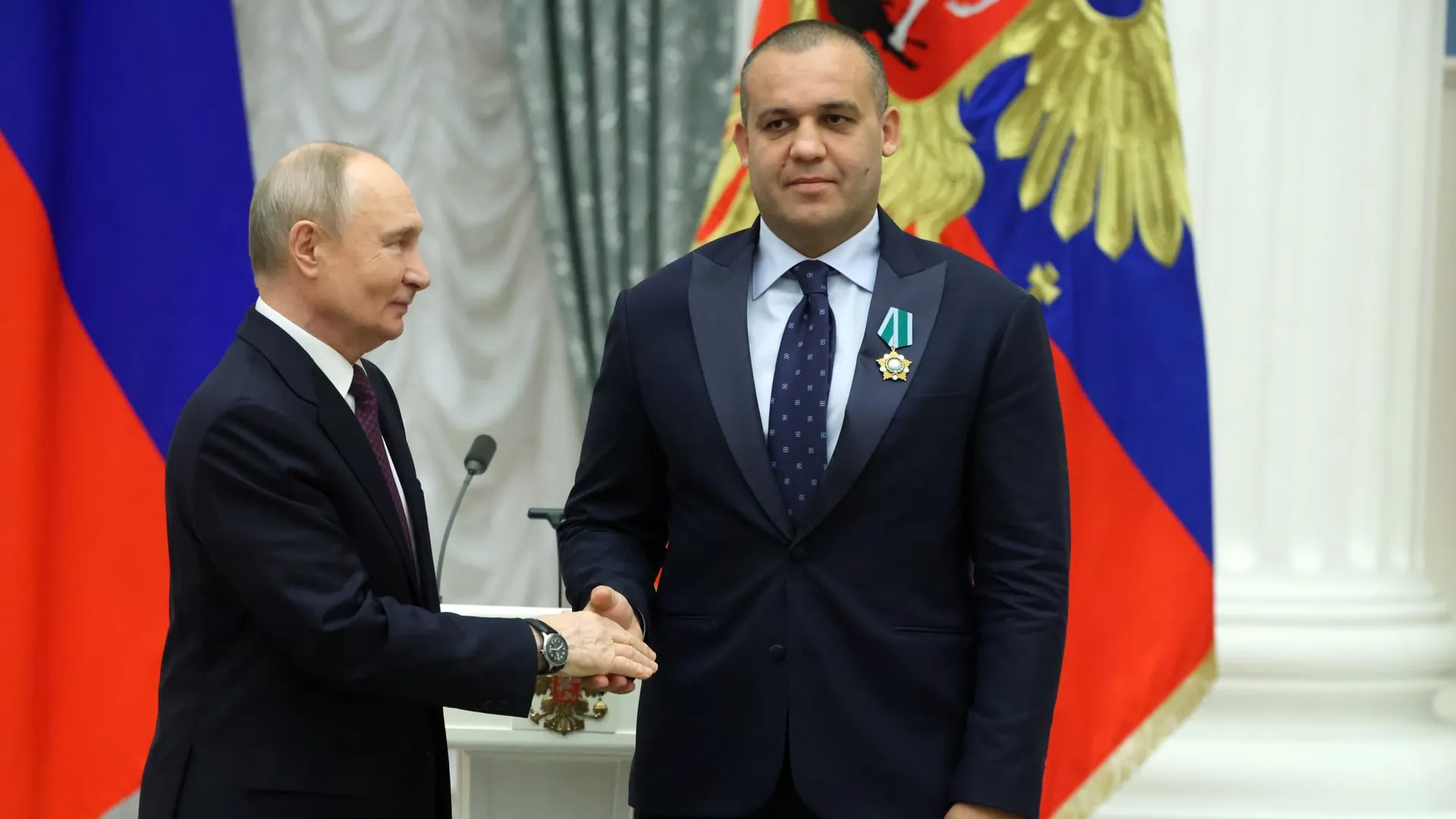
Ukraine imposed sanctions against Umar Kremlev, citing his close ties to Putin and the Russian intelligence services. The media speculate that the hundreds of thousands of dollars spent on the wedding are just “trifles” that have come to light, while the rest of the actual financial ties remain hidden.
Negotiations with Commercial Undertones
Contacts between Russian businessmen and U.S. government officials have intensified amid attempts by Washington and Moscow to reach an agreement to end the war. Thus, two tracks of negotiations are currently underway. The first involves official diplomacy through government representatives. The second consists of informal contacts through Russian business intermediaries with U.S. political and government elites regarding the easing of sanctions and the restoration of economic ties.
The Wall Street Journal reported on the progress of these negotiations in late 2025 in an article titled “Make Money, Not War: Trump’s Real Plan for Peace in Ukraine.” Based on insider information from intelligence agencies, the publication reported on contacts that point to a possible resumption of economic and business relations between Russia and the U.S. The gist is that the Kremlin is convincing the White House of the need for peace through business, and Donald Trump and his administration support this idea.
It was reported that Gennady Timchenko, Yuri Kovalchuk, and the Rotenberg brothers—oligarchs from Putin’s inner circle—had secretly sent their representatives to closed-door negotiations with American companies. At the heart of this private meeting was a plan to end the war in Ukraine, which envisaged pulling the Russian economy out of crisis and involving American businesses in profitable projects. The negotiations concerned rare-earth minerals, gas production, and even the resumption of operations on the Nord Stream gas pipeline.
This track of negotiations with commercial undertones continued with a diplomatic mission by special representatives of U.S. President Donald Trump—his son-in-law Jared Kushner and businessman Steve Witkoff. On September 5–6, 2026, they visited Moscow and Kyiv to discuss peace proposals.
The commercial aspect of Jared Kushner’s visit to Moscow, together with Special Envoy Steve Witkoff, was the subject of high-profile investigations by Western media outlets. It was emphasized that Kushner combines diplomatic mediation to end the war in Ukraine with his large-scale private investment business.
It is telling that the American delegation was met at Vnukovo Airport by Kirill Dmitriev, the head of the sanctioned Russian Direct Investment Fund (RDIF). Before meeting with Putin, Kushner and Witkoff had a 3.5-hour business lunch with Dmitriev at a restaurant in central Moscow.
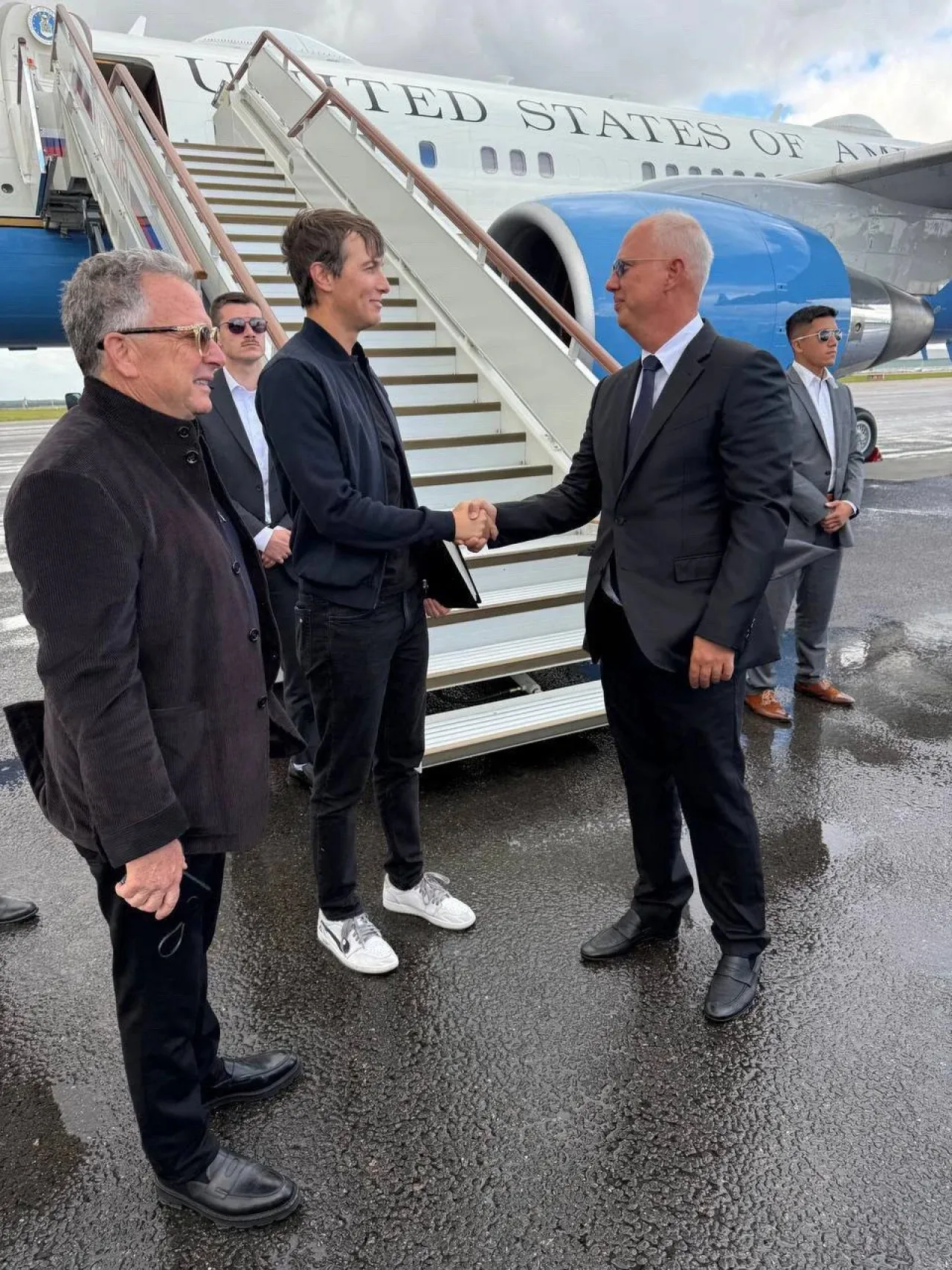
Critics have noted that Kushner is applying a purely commercial model to the war in Ukraine, similar to his “Project Dawn” plan for the Gaza Strip—a $112 billion reconstruction project. Meanwhile, in Moscow and Kyiv, discussions centered on the framework for post-war reconstruction, where private American investors have their own commercial interests.
A former high-ranking official in the Trump administration, quoted by *The New Yorker*, claimed that when Kushner and Witkoff first began working on the Ukraine issue, both had a limited understanding of the war. According to the publication’s source, they viewed the negotiations largely as a business deal.
“They think it’s a real estate deal. It seems they don’t understand that this is a war,” said the former U.S. official.
Donald Trump explained his decision to bring in his business associates—who replaced professional diplomats in negotiations regarding the wars in Ukraine and the Persian Gulf—by saying that he views the art of geopolitics as a matter of money and leverage. But ultimately, according to Western observers, this business-like approach ended in failure. Currently, American political circles are anxiously discussing the notion that Donald Trump’s excessive reliance on commercial incentives is accelerating the decline of U.S. global dominance.
Russian Oligarchs and U
.S. Sanctions
The U.S. has imposed personal restrictions on most Russian oligarchs close to the Kremlin. At the same time, some of them manage to remain outside the scope of U.S. sanctions or periodically secure certain relaxations of the restrictions, given the constant changes in international “blacklists.” The most notable names on this list are:
Vladimir Lisin—the principal owner of the Novolipetsk Steel Plant (NLMK) and one of Russia’s wealthiest individuals—who has long avoided the full brunt of the strictest U.S. sanctions. His fortune is estimated at $25.5 billion, earned in the steel and transportation industries. Despite documented ties between NLMK and the Russian defense sector—where it has secured at least 18 contracts—Lisin remains off the sanctions list.
Leonid Mikhelson is the chairman of the board of the gas company Novatek, chairman of the board of directors and the largest shareholder of the petrochemical holding company Sibur, one of the largest players in Russia’s energy market. As of 2026, the U.S. has not imposed direct personal sanctions against him, although he appears on the sanctions lists of Ukraine, Canada, the United Kingdom, and Australia.
Dmitry Rybolovlev left Russia more than ten years ago. He is known for purchasing a luxury estate in Palm Beach from Donald Trump for a record $95 million even before Trump’s first presidency, as well as for his massive buying spree of high-end real estate. He is the owner of the Monaco soccer club.
Ivan Potanin—the son of oligarch Vladimir Potanin, president of Norilsk Nickel—was removed from U.S. sanctions lists in June 2026. However, Vladimir Potanin himself remains subject to sanctions from the U.S., as well as the United Kingdom, Ukraine, Canada, Australia, and New Zealand, due to his close ties to the Kremlin. He ranks second on Forbes’ list of 155 Russian billionaires (net worth: $29.7 billion).
One reason why sanctions do not affect all Russian billionaires—especially “Putin’s cash cows”—is the often uncoordinated sanctions policy of Western countries. Western analysts have repeatedly examined this issue, studying thousands of sanctions documents issued by the United States, the United Kingdom, and the European Union. It turned out that most of these sanctions do not overlap and do not impose critical restrictions on the key assets of Russian billionaires.
In addition, Russian oligarchs de facto maintain business ties in the U.S. through trusts and straw men with U.S. citizenship. Another channel for circumventing financial blockades is the purchase of expensive paintings at art auctions. Cryptocurrency exchanges are also used to funnel shadow money through American and European platforms.
U.S. sanctions experts explain that it is sometimes nearly impossible to impose sanctions against certain Russian businesses because their role in international markets is critically important. In other words, there are reasons not to target certain Russian oligarchs, but rather to keep them under control.
Moreover, the issue is not the billionaires’ names, but their assets, which continue to operate in global markets. Russians, without official licenses, control significant stakes in large international companies that are not subject to sanctions and supply products to Western countries.
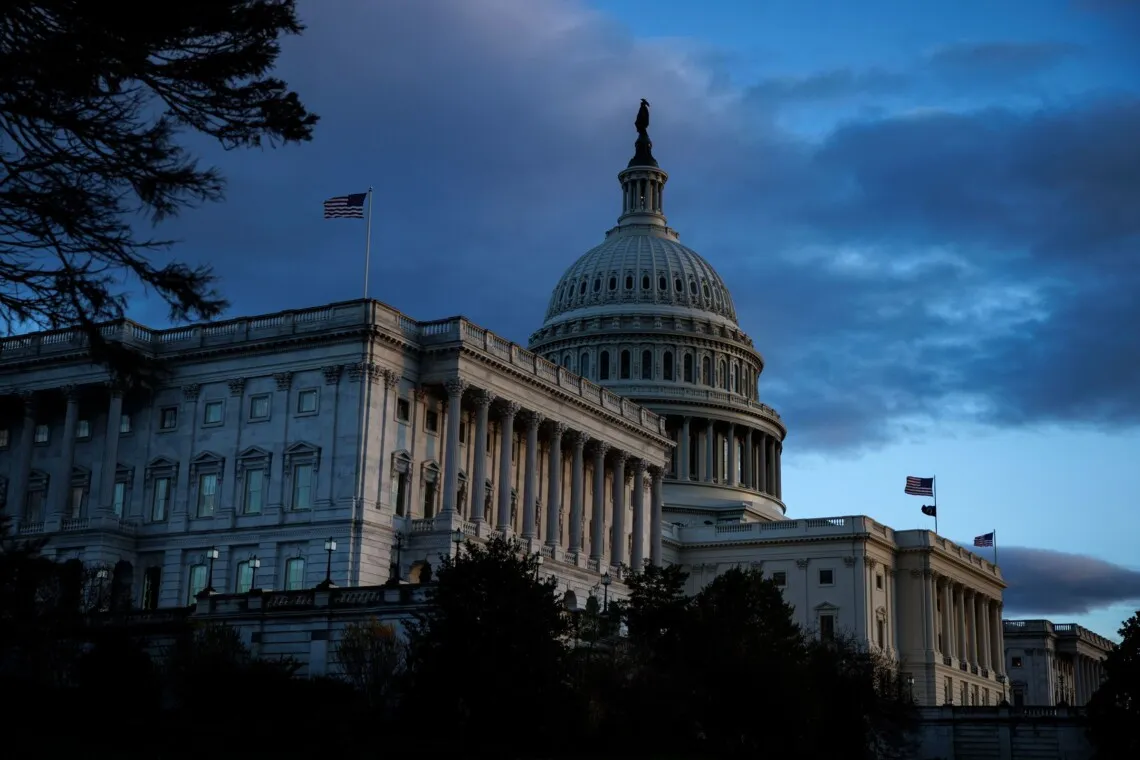
Lindsey Graham’s
“Hellish Sanctions”
The bill, authored by the late Senator Lindsey Graham, a staunch supporter of Ukraine, authorizes Donald Trump to impose a 100% tariffs on the five largest buyers of Russian oil and natural gas, as well as on the five countries that help Russia circumvent energy sanctions. Specifically, the largest buyers of Russian oil over the past 12 months have included China, India, Slovakia, Hungary, and Turkey. In addition, the law extends sanctions to high-ranking Russian officials, oligarchs, and their family members.
After both chambers of Congress passed the bill, President Trump confirmed that he plans to sign it, the WSJ reported, citing the White House.
Supporters of Ukraine in the U.S. are convinced that the “Lindsey Graham Act” will demonstrate Washington’s support for Kyiv and provide real leverage against Moscow if it refuses to engage in peace talks. However, it remains unclear whether Trump will actually exercise the powers granted to him by the law. For example, the president will set the rate of secondary tariffs himself—it will not necessarily be a 100% tariff. If the final decision on implementing some of the measures provided for by the law rests with the U.S. president rather than with Congress, then the mere fact that the law has been passed does not automatically mean that all of its provisions will be enforced.
Another important point is that the law mandates the imposition of sanctions within 30 days of its entry into force and does not require a separate presidential decision to implement them. However, the president has the right to waive these sanctions by providing Congress with an explanation that the waiver is in the interests of U.S. national security. Members of Congress can block such a decision by the White House if the House of Representatives and the Senate vote in favor of a Joint Resolution of Disapproval.
In this political context, the Kremlin will likely attempt to strengthen its informal ties with the U.S. president’s inner circle in order to curb the sanctions by appealing to commercial interests. In this context, the story surrounding the financing of Trump Jr.’s wedding party and the behind-the-scenes business contacts related to a possible resumption of U.S.-Russia relations appears quite telling.


