
Demand for electric vehicles has surged following attacks on oil refineries in Russia
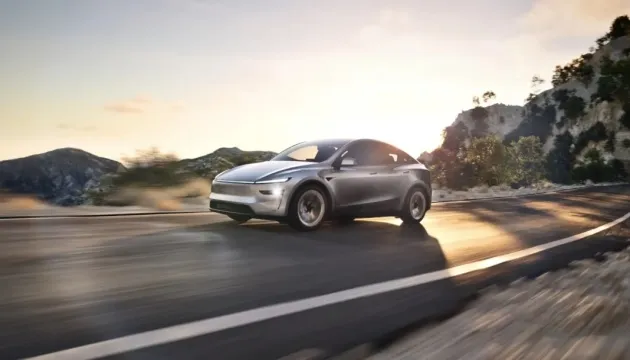
Demand for electric and hybrid vehicles has surged in Russia amid gasoline shortages. From January through August 2026, more than 83,000 such vehicles were sold there—nearly twice as many as during the same period last year. The New York Times attributes this surge to fuel shortages following Ukrainian drone attacks on Russian oil refineries.
Gasoline shortages in Russia have begun to affect not only gas stations but also the automotive market. Due to fuel shortages, some drivers have started looking for vehicles that do not require gasoline at all. According to Russian statistics, 83,262 electric vehicles and hybrids were sold in the country from January through August 2026. A year earlier, during the same period, approximately 43,000 such vehicles were sold. Thus, the figure rose by more than 90%.
The New York Times reports that this trend became particularly noticeable in late June. It was then that demand for electric vehicles began to rise rapidly in the Russian market. The publication attributes this to a gasoline shortage that arose following a series of strikes by Ukrainian drones on Russian oil refineries.
Drivers began looking for an alternative to gasoline
One of those who decided to switch to an electric vehicle was Russian automotive expert Sergey Tselikov. According to him, he owned more than 20 cars, but this summer he purchased a Chinese electric hatchback due to fuel availability issues. Tselikov said that he once tried to refuel one of his cars but couldn’t find the right fuel at the nearest gas stations. “I tried to fill up one of my cars and drove to the five nearest gas stations, but they only had diesel or lower-grade gasoline,” he said.
According to the NYT, demand for electric cars was growing so rapidly that buyers had to act without delay. After purchasing his car, Tselikov himself saw its price rise by about $2,000 in just a few days. The car in question is a model from the Chinese manufacturer Great Wall Motor. The price increase was yet another consequence of the sharp rise in demand.
The share of electric vehicles in the market has grown
Changes are also evident in the overall structure of the Russian auto market. According to Autostat, by the end of September, the share of fully electric vehicles and plug-in hybrids—which can run without gasoline—had reached 11.5% of the Russian auto market. At the beginning of the year, this figure was close to 5%.
In other words, the share of such vehicles more than doubled in just a few months. At the same time, this figure includes not only pure electric vehicles but also plug-in hybrids that can be charged from the power grid and driven without gasoline for a certain distance.
Summer sales figures further confirm the growth in electric vehicle sales. According to Reuters, 26,543 electric vehicles and plug-in hybrids were sold in Russia from June through August. During the same period in 2025, such sales totaled 12,187.
Russia is increasingly dependent on Chinese cars
Most of the electric vehicles currently sold in Russia are manufactured in China. It is Chinese brands and models that have become the primary source of vehicles capable of replacing gasoline-powered cars. This is also evident from specific sales figures. In August, 2,216 new electric vehicles were sold in Russia—a 105% increase compared to August 2025. Among the popular models were the Chinese Changan Qiyuan Q05, Avatr 11, and Avatr 12.
According to data from the Russian Ministry of Industry and Trade, nearly 99,000 electric vehicles and hybrids were sold in the country over the first nine months of 2026. This is 92.6% more than during the same period last year. Their share of all new cars rose to 9.2%, compared to 5.1% a year earlier.
The reason was not just interest in electric vehicles
The New York Times points out an important detail: the current surge in demand in Russia is not solely due to the gradual rise in popularity of electric vehicles. One of the main factors has been problems with traditional fuel. Following attacks on Russian refineries, gasoline supply disruptions occurred in some regions, and lines formed at certain gas stations.
Reuters also reported that by the end of August, gasoline production in Russia had fallen to about 70% of domestic demand. Against this backdrop, drivers began looking for alternatives—specifically electric vehicles and cars that can be converted to run on natural gas. At the same time, electric vehicles still account for only a small portion of the Russian auto market. Among the main obstacles to their further adoption are an insufficient number of charging stations, long distances between cities, and challenging climatic conditions.
However, the current situation demonstrates just how quickly fuel supply issues can change consumer behavior. In Russia, the gasoline shortage has already affected car choices, and Chinese electric vehicles have seen a surge in demand, according to The New York Times.


