
South Korea tests domestically developed hypersonic glide vehicle for first time — Korea Herald
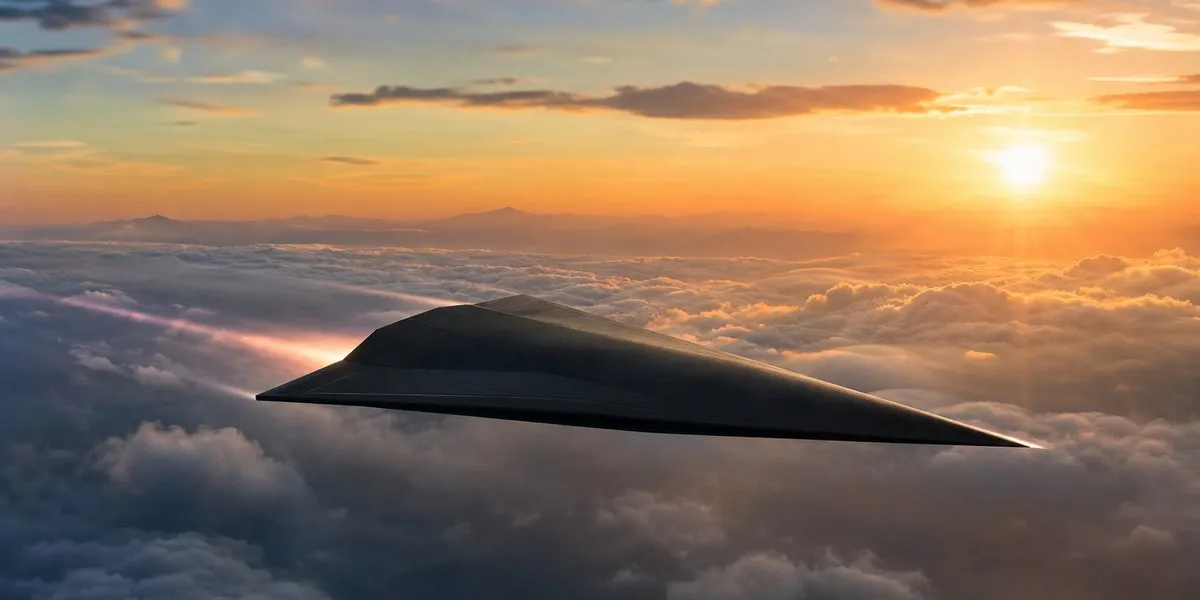
South Korea on October 8 conducted the first test launch of a domestically developed hypersonic glide vehicle. President Lee Jae-myung observed the test. The launch location was not disclosed, Korea Herald reports.
How the test was conducted
The launch was carried out by South Korea’s Agency for Defense Development, a state institution responsible for developing major weapons systems. According to the authorities, the vehicle was lifted to a designated altitude by a launch rocket, separated from it, and completed a planned hypersonic flight.
After that, the glide vehicle descended to a lower altitude, performed vertical and horizontal maneuvers, and accurately struck the designated target. Unlike ballistic missiles, which have a more predictable trajectory, hypersonic glide vehicles can maneuver during flight and travel at relatively low altitudes. This makes them more difficult to detect, track, and intercept.
More current news is available on the UA.News Telegram channel Telegram.
New strike capabilities
After separating from the carrier, such systems usually travel toward their target at speeds exceeding Mach 5. The presidential administration said that, thanks to its speed and unpredictable trajectory, the new weapon could become a key strategic asset and strengthen the country’s deterrence capabilities on the Korean Peninsula.
After the test, Lee also inspected the high-power Hyunmoo-5 ballistic missile, developed to strike fortified underground targets. Representatives of the Agency for Defense Development, First Deputy National Security Adviser Kang Gon-jak, Defense Minister Kang Shin-chul, and Defense Acquisition Administration chief Lee Yong-chul attended the event.
This is the first known case of Lee personally attending missile tests. The South Korean government is also seeking to strengthen its own military capabilities as part of preparations for the transfer to Seoul of wartime operational control of troops, which currently remains with the South Korea-U.S. Combined Forces Command.


