
Gulf countries advised to separate rivalry with Iran from confrontation — The National
In the UAE, The National called in its column on Persian Gulf countries to build selective relations with Iran. The publication believes that military deterrence, political dialogue, maritime security and economic ties should not be fully dependent on one another. Rivalry with Tehran, the article says, should not turn into permanent open confrontation.
The column notes that the security calculations of Gulf states have for decades been shaped by Iran's nuclear programme, ballistic missiles, Tehran's ties with armed groups in the region and uncertainty surrounding the Strait of Hormuz. The countries of the region strengthened their defence and partnership with the United States while maintaining channels of communication with Iran and trade contacts where the political situation allowed.
Limits of participation in the war
According to The National, the current war has demonstrated the fragility of this approach: when missiles and drones reach Gulf states, and shipping and energy flows become part of the confrontation, deterrence and de-escalation alone are insufficient. The presence of US forces in several Gulf countries is named as a separate problem. From Tehran's perspective, the distinction between hosting US forces and a state's participation in military operations during a war can quickly become blurred.
More current news is available on the UA.News Telegram channel Telegram.
The column proposes defining more clearly under what conditions a state becomes a direct party to a war, when the use of a military base constitutes participation in hostilities, and which civilian and economic facilities must remain outside the conflict. The publication also considers unacceptable the assertion that the mere presence of US forces gives Iran a permanent justification for strikes against Gulf countries.
Rules for the Strait of Hormuz
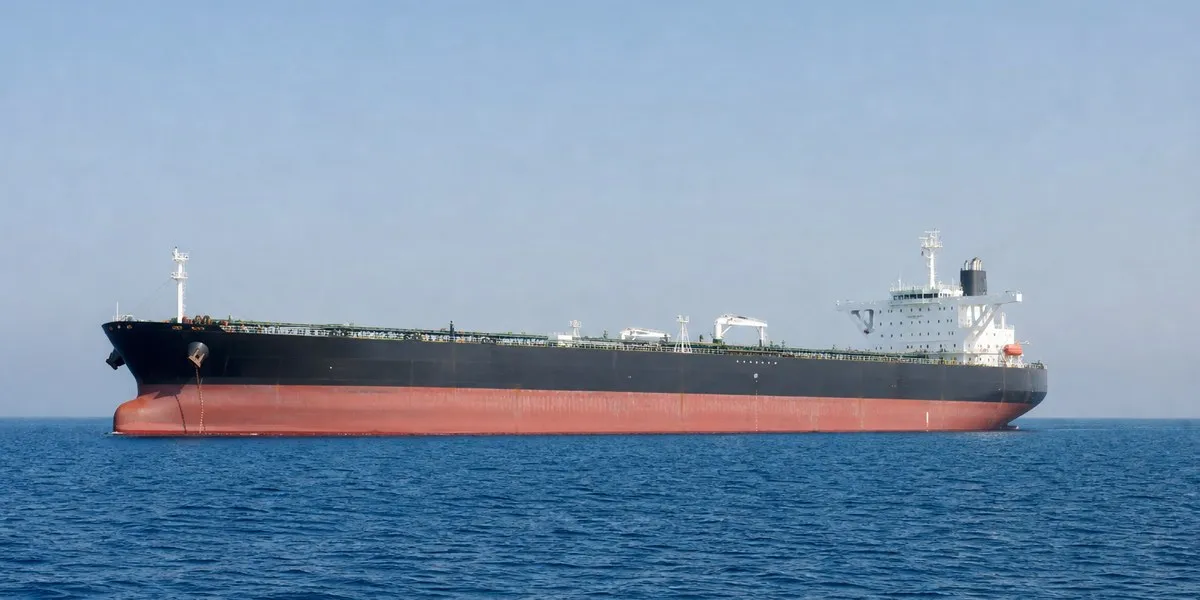
The National paid particular attention to the Strait of Hormuz. The column states that restoring ship traffic during a crisis may eliminate the current disruption but does not resolve the problem in the long term. For a more durable arrangement, the publication believes, communication between naval forces, incident-response procedures, protection of commercial vessels and clearer criteria for what constitutes hostile actions are needed.
The publication also proposes linking the development of trade, investment and economic interaction to Iran's behaviour: expanding contacts under conditions of stability and restricting them in the event of escalation. The column does not claim that economic relations can change Iran's political system or eliminate all disputes, but considers that the material benefit of a stable Gulf would create an additional cost of instability for Tehran.


