
Singapore's foreign minister partly agreed with Trump on the Strait of Hormuz — CNBC
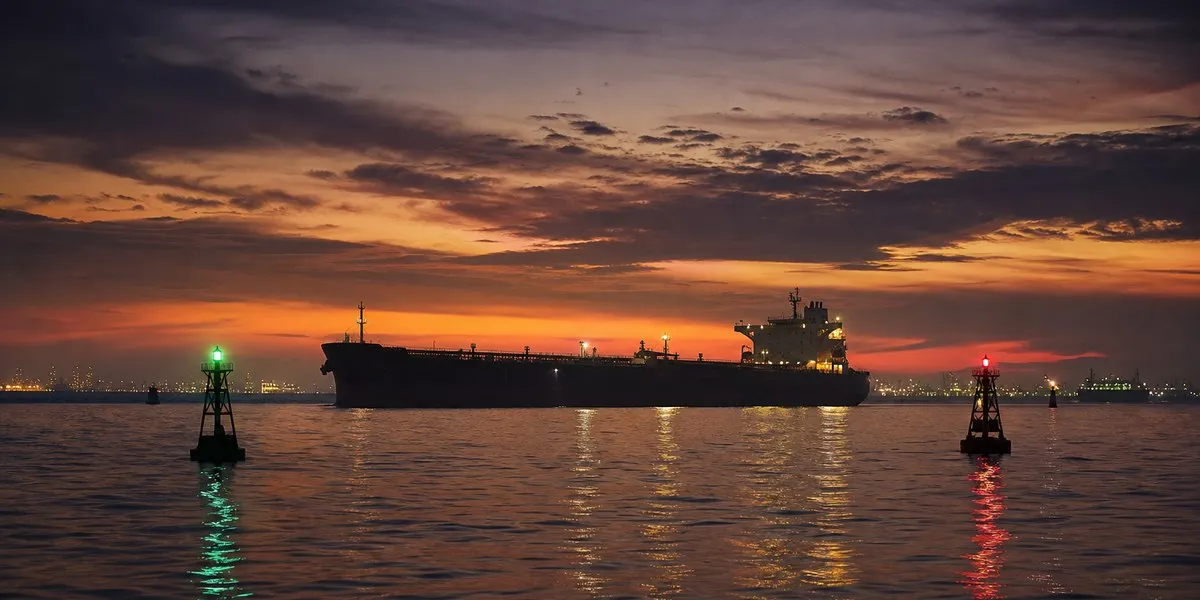
Singapore Foreign Minister Vivian Balakrishnan said at the Milken Institute's Asia Summit in Singapore that U.S. President Donald Trump is “not entirely wrong” in calling disruptions to energy supplies through the Strait of Hormuz an Asian problem. As CNBC reports, Asian economies are among the largest consumers of energy resources transported along this route.
Asia's dependence on the route
Trump previously said that Asian countries that depend heavily on energy supplies through the Strait of Hormuz should take greater responsibility for keeping passage through it open, rather than relying primarily on U.S. protection. Among those that need this route, he named Europe, South Korea, Japan and China.
Balakrishnan, however, urged that the issue not be viewed solely from the perspective of who buys oil. According to him, freedom of navigation through international waterways is a non-negotiable principle for Singapore. The minister referred to the UN Convention on the Law of the Sea, in particular the right of transit passage and freedom of navigation.
More current news is available on the UA.News Telegram channel Telegram.
Control over the strait
According to Balakrishnan, Iran's desire to strengthen control over vessel traffic through the Strait of Hormuz goes beyond potential revenue from fees and charges. He believes that the ability to charge ships could allow Tehran to decide which vessels to let through, effectively giving it veto power over passage through the strait.
The minister also said that such influence could be a more significant lever for Tehran than even potential nuclear weapons. In his view, the United States and the Persian Gulf states will not accept a situation in which Iran has veto power over the waterway.
Balakrishnan suggested that tensions could persist even if oil supplies continue, and he sees no quick diplomatic path to resolving the conflict. In April, he also warned that a conflict between the United States and China in the Pacific could make disruptions to shipping in the Strait of Hormuz merely a preliminary test.


