
Share of EVs and PHEVs in Russia reached 11.5% — InsideEVs
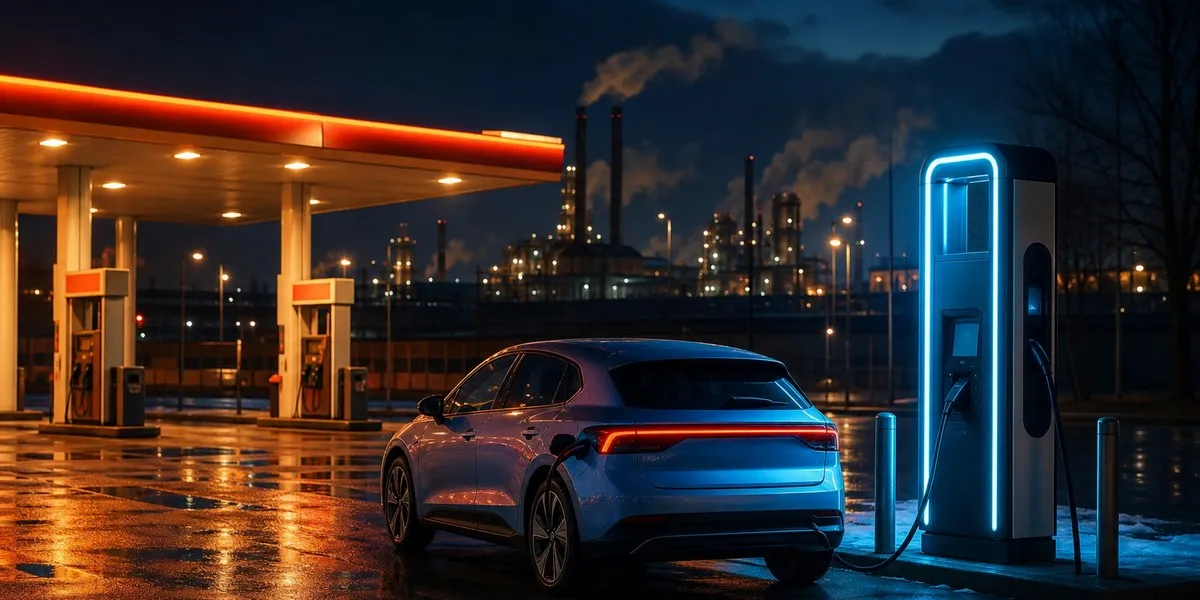
In the Russian Federation — an aggressor state — the combined share of electric vehicles and plug-in hybrids among new cars reached 11.5% at the end of September, compared with about 5% at the beginning of the year. As InsideEVs reports, demand for such vehicles increased amid gasoline disruptions following Ukrainian strikes on Russian oil refineries.
Sales amid gasoline shortages
According to the Russian automotive agency Autostat, cited by the publication, the share of plug-in vehicles in Russia became slightly higher than in the United States. At the same time, this comparison covers not only fully electric cars but also plug-in hybrids, so it does not mean that Russia has overtaken the United States in sales of electric vehicles alone.
Autostat head Sergey Tselikov said that in July he bought a GWM Ora 03 GT electric hatchback after being unable to find gasoline at five nearby filling stations. According to him, over several days the model's price rose by about $2,000 because of increased demand.
More current news is available on the UA.News Telegram channel Telegram.
Reuters reported that from June to August, sales of new electric vehicles and plug-in hybrids in Russia totaled 26,543 units — more than twice as many as the 12,187 sold during the same period a year earlier. The agency linked this to fuel shortages and suppliers' lack of readiness for such demand. The most notable growth, according to Tselikov, was among models priced from 2 million to 3 million rubles.
Comparison with the United States
In the United States, Cox Automotive estimated that 78,895 new battery-electric vehicles were sold in August 2026, accounting for 5.7% of all new vehicle sales. This figure was up 2.5% from July but was 46.9% lower than in August 2025.
The U.S. Energy Information Administration, citing Omdia, noted that electric vehicles accounted for 6% of new light-duty vehicle sales in the country in the second quarter, while plug-in hybrids added another 1.4%. These data cover a different period than the Russian statistics for September, but they also include both types of plug-in vehicles.


