
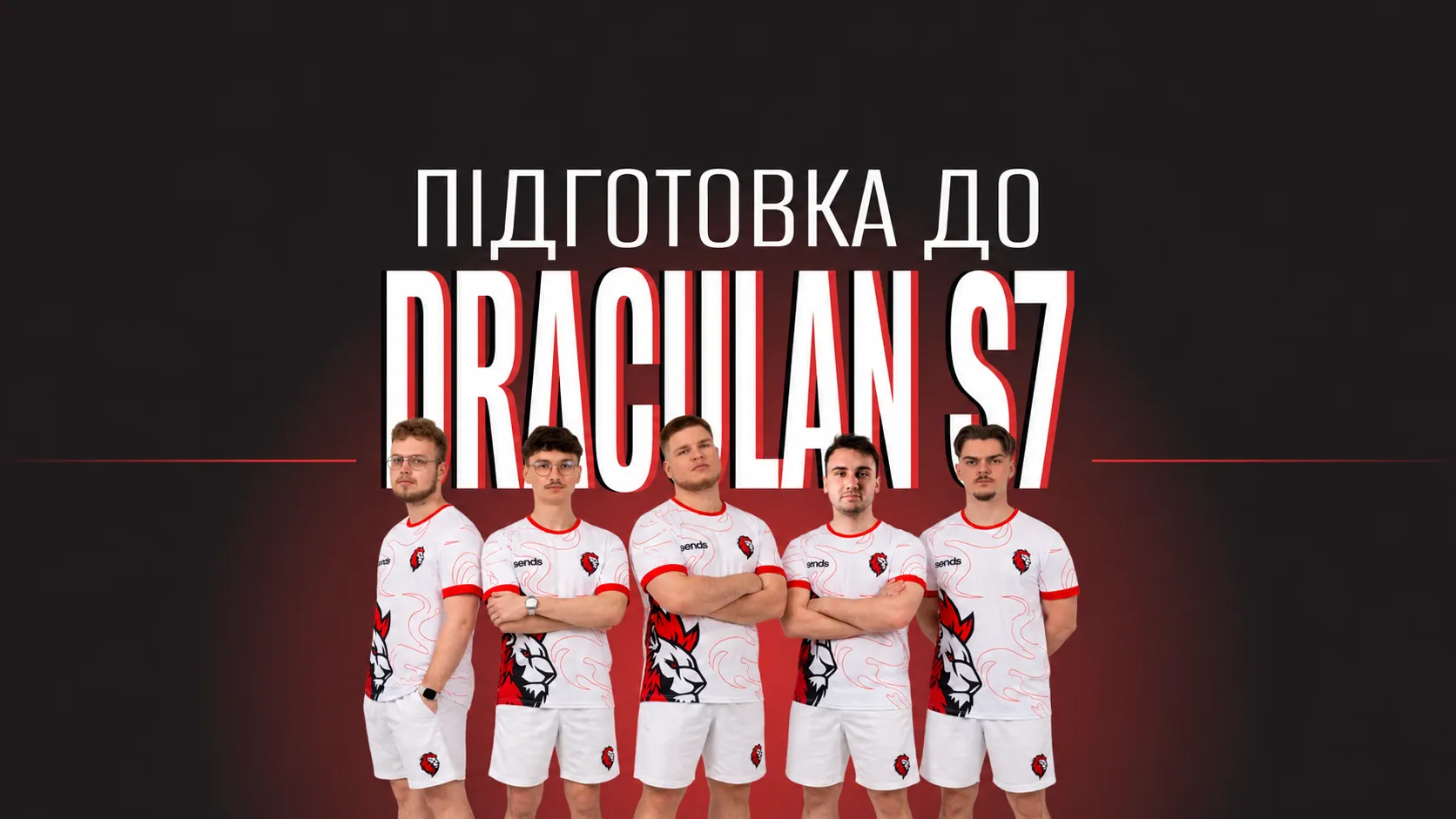
The revamped Leo Team roster has only been playing together for two months, but has already secured a spot in the top 100 of the HLTV world rankings and reached the decisive stages of European tournaments twice in a row. In the CCT 2026 Europe Series 9, the team was eliminated in the semifinals, while in the European Pro League Series 9, it reached the grand final.
Leo is currently ranked 97th in the HLTV world rankings and 69th among European teams. The next test for the new roster will be the offline scene: on October 19–23, the team will compete in the DraculaN Season 7 LAN tournament in Bucharest.
Leo is heading to Romania after an intensive training period: the team is expanding its map pool, working on a new strategy guide, changing its approach to communication, and gradually shifting from a game based on individual skill to a more systematic style of Counter-Strike.
UA.News reports on what has changed in Leo Team’s gameplay following the summer overhaul—which has yielded its first results—and how the team is preparing for the LAN event in Bucharest.
The current roster has only been together for two months
Leo’s roster overhaul took place over the summer. Polish players Kasper “next1me” Parakowski and Jakub “aimy” Kleczkowski joined the team, and the current five-man roster took its final form in early August, when French players Julien “Tarkky” Buzogani and Étienne “drac” Salaun joined the team.
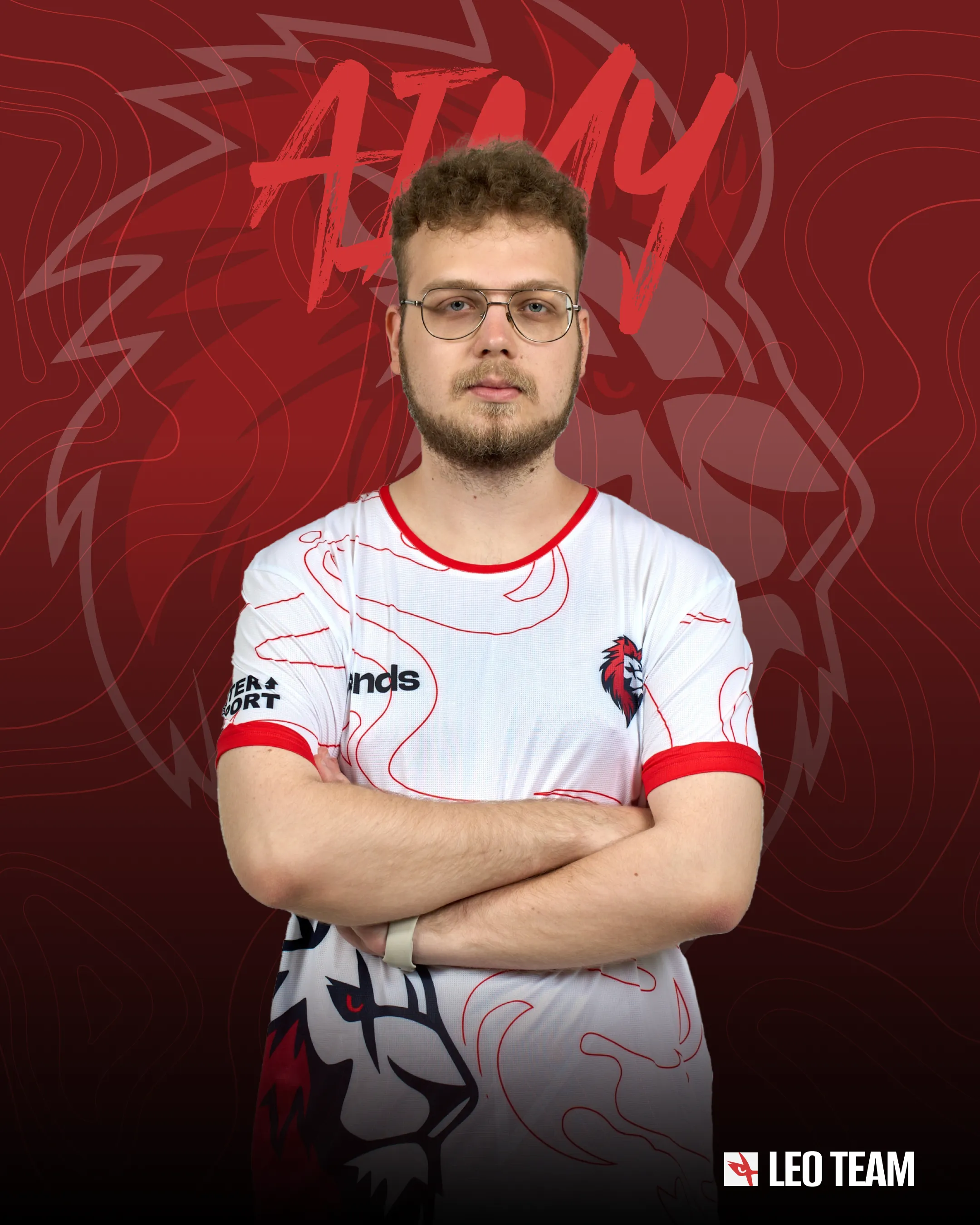
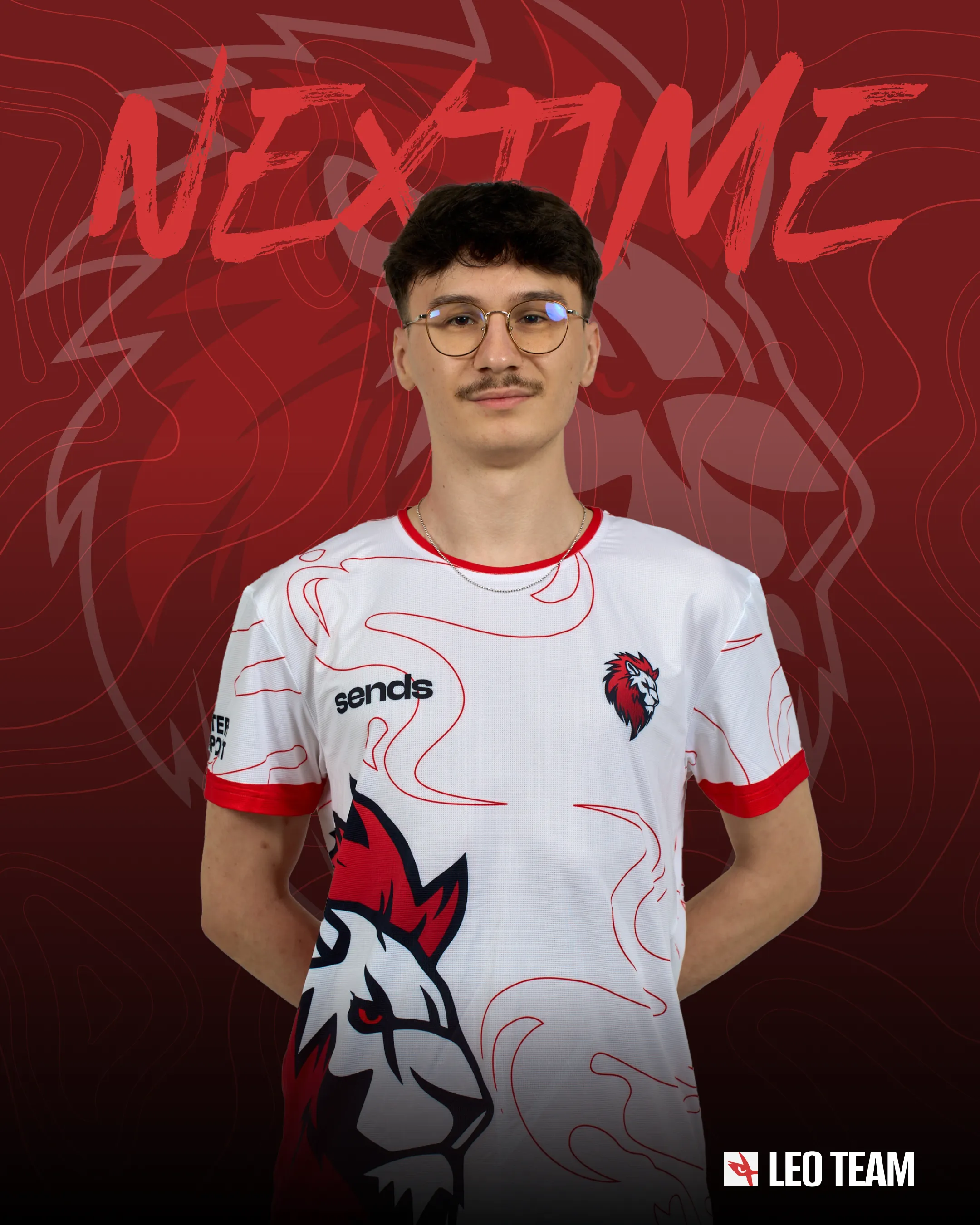
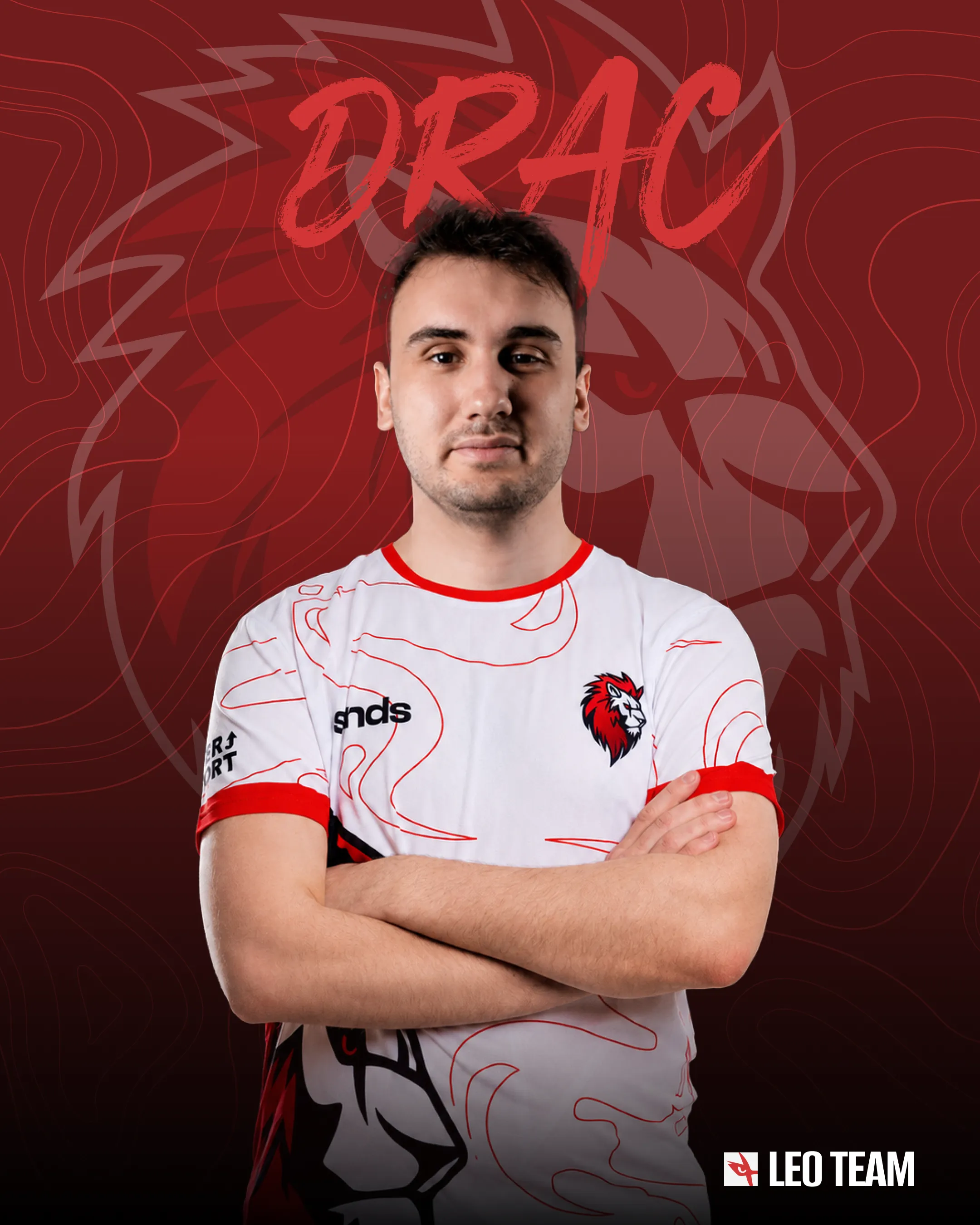
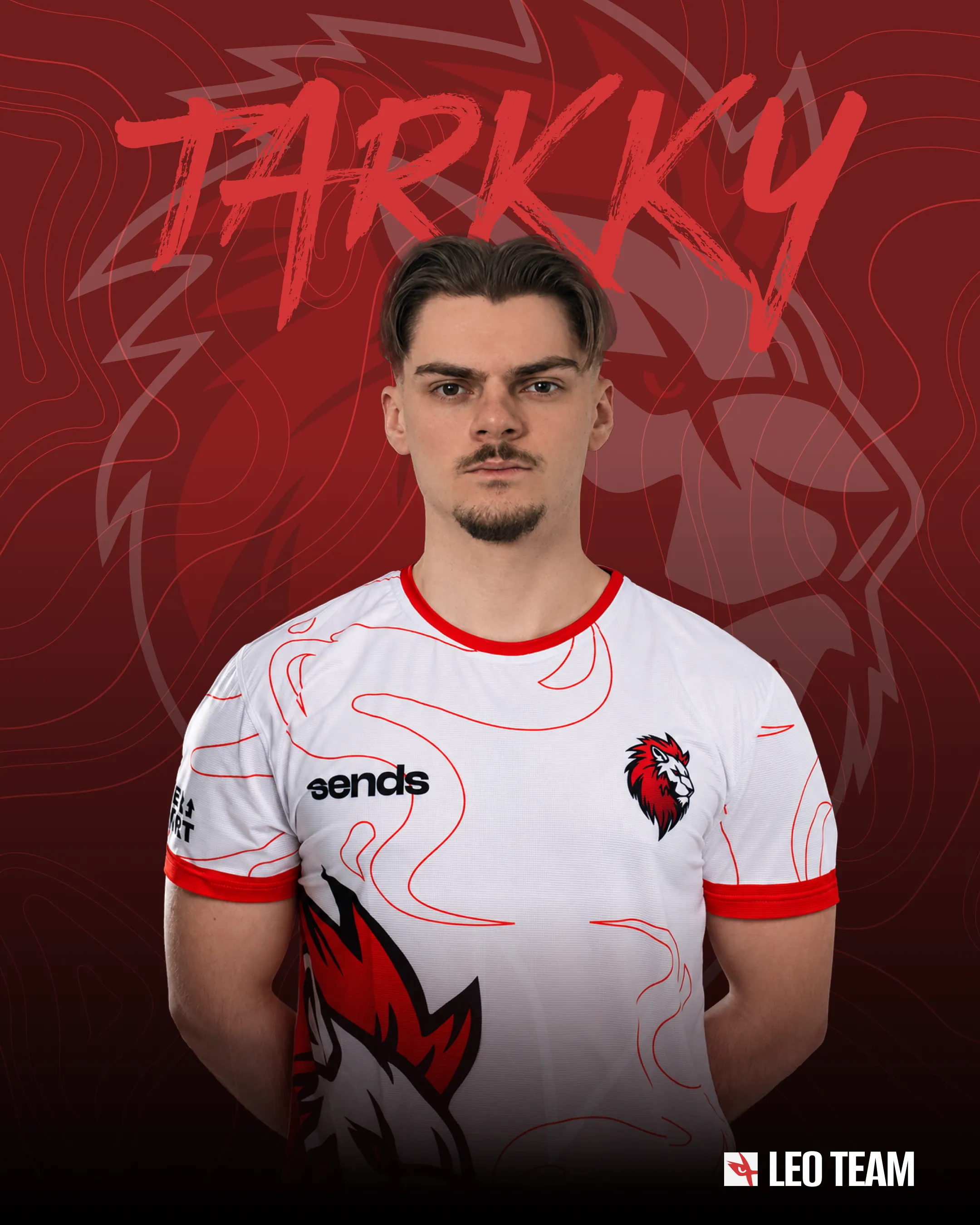
Together with Vladislav “leen” Stepanov, they formed an international roster comprising players from Ukraine, Poland, and France. Dmytro “rjy” Chumak remains the team’s coach.
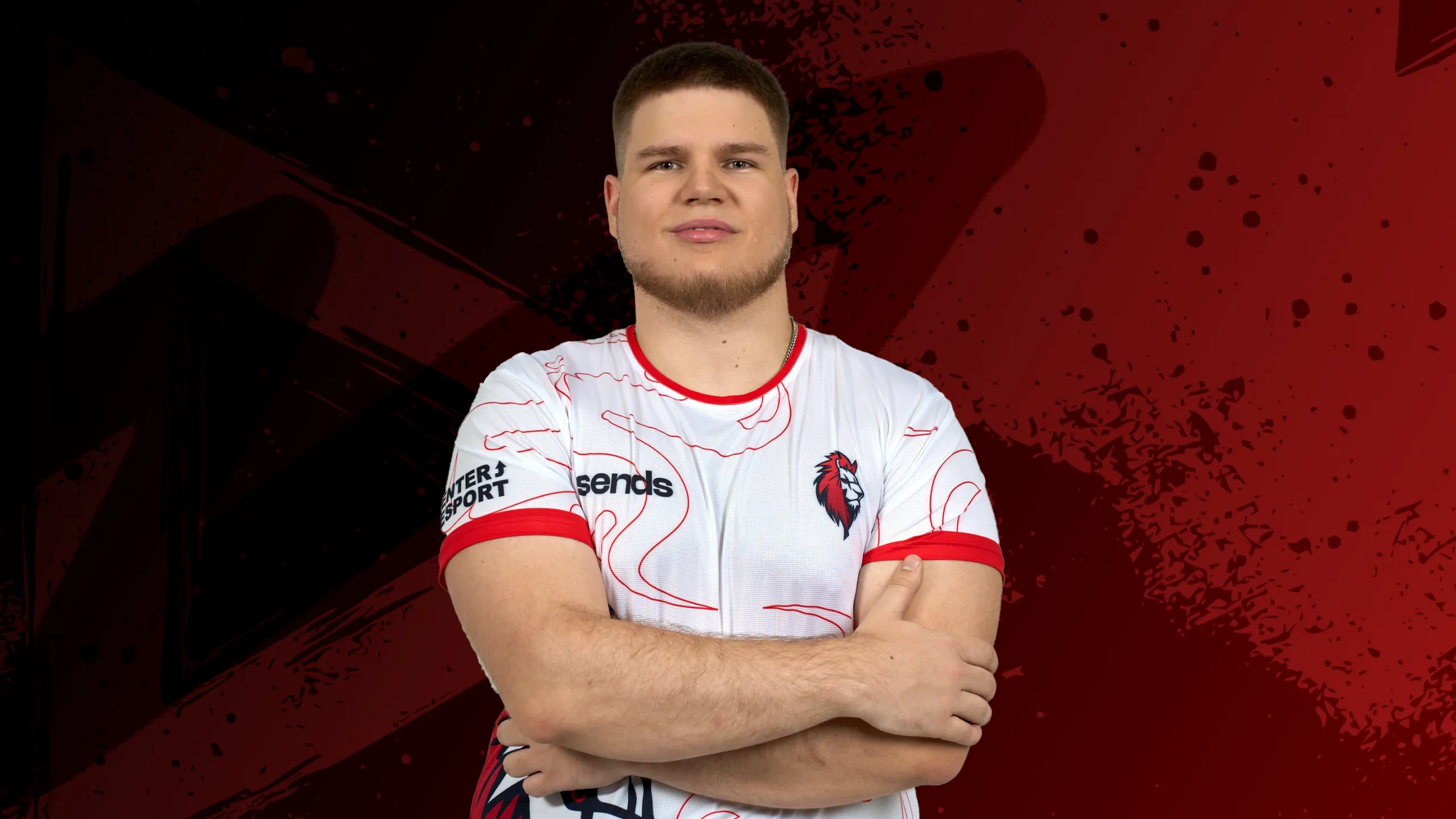
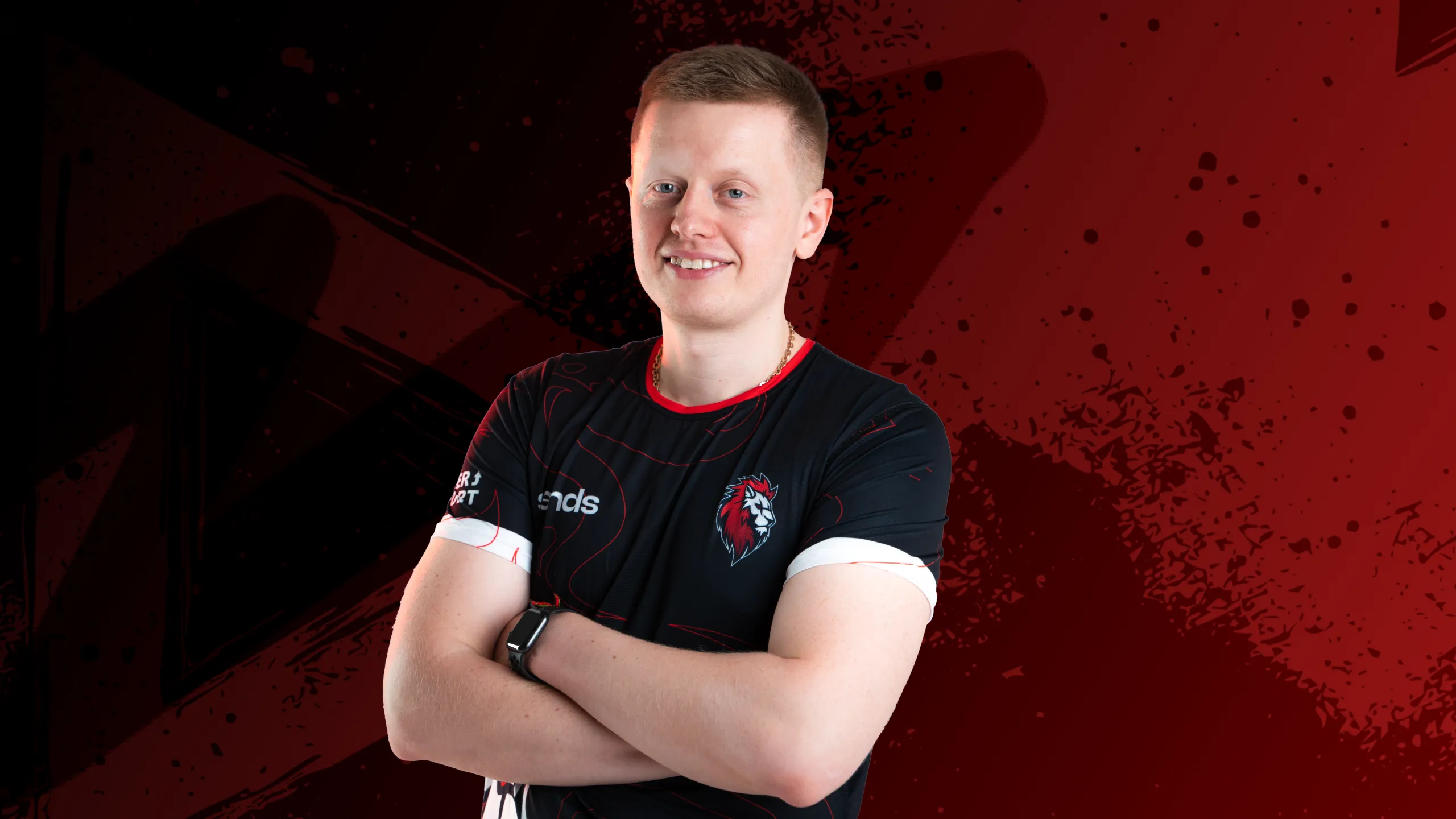
Two months is a short time for a new Counter-Strike roster. During this time, the players need to do more than just get used to each other; they must synchronize their positional assignments, defensive rotations, offensive pushes, grenade usage, and reactions to the opponent’s moves.
For this international five-man squad, there’s also the added challenge of communication. The players must not only share a common understanding of the tactical plan but also convey information as quickly as possible during a round.
A new playbook is behind these results
One of the key elements of the team’s current work is a shared playbook—a collection of tactical strategies and scenarios that the players themselves are constantly updating. This goes beyond just pre-planned plays at the start of a round. The team tries to map out detailed responses to various situations directly during the game.
For example, what to do if an opponent changes their usual position, how to reorganize the round after losing the first player, or who should initiate an aggressive move and who should support it.
The goal is to ensure that one player’s decision isn’t made in isolation from the rest of the team. Everyone must understand not only their own position but also how their teammates will react to their actions.
The more of these scenarios a team practices in training, the less time they’ll need to spend making decisions during an official match. This approach has been particularly evident on Nuke lately.
Nuke has become the prime example of Leo’s progress
It is Nuke that best demonstrates the changes in the team’s gameplay right now.
Against Spirit Academy at CCT Europe Series 9, Leo won this map 13–1. Against BAKS, the score was 13–10. In the European Pro League against Misa, the team won 13–6, and in the semifinals against Bushido Wildcats, they survived overtime and closed out Nuke with a score of 16–14.
Even in the lost EPL Grand Final against mellren, Nuke was the map that Leo managed to take—13–10. A streak like this can hardly be explained by just a few lucky matches. On Nuke, the team has a more cohesive structure and relies less and less on individual plays alone.
At the same time, Leo is working on expanding the map pool. Among the maps currently receiving increased attention are Dust2, Mirage, and Anubis. The team wants to have a sufficiently broad set of prepared maps for the LAN event so as not to be dependent on just one or two of their most comfortable options during the veto phase.
This could be particularly important at DraculaN. As the tournament progresses, opponents will gain more and more material to analyze Leo’s gameplay, so relying on a single strong map could become a vulnerability. The more maps the team can play confidently, the harder it will be for opponents to tailor their vetoes to exploit the team’s strengths.
The team has started playing more aggressively, but not more chaotically
Leo’s overall approach to the game has also changed. The team is trying to fight more aggressively for map space, secure key positions earlier, and gather more information about the opponent’s movements.
However, the goal isn’t simply to engage in firefights more often. Aggressive decisions must be part of a well-defined structure: one player creates space, another provides cover, and the rest already know how to react to the information they receive.
This is where the playbook becomes particularly important. If such situations are practiced repeatedly in scrims, the team can act faster in official matches and rely less on improvisation.
The CCT showed that the system is starting to work
One of the most telling tournaments for the new roster was CCT 2026 Europe Series 9. Leo navigated the group stage with some difficulties but managed to defeat NAVI Junior and Spirit Academy to advance to the playoffs.
The team looked particularly convincing against Spirit Academy. The series ended 2–0—13–10 on Cache and 13–1 on Nuke. Tarkky emerged as one of the standout players. The French player finished the series with 39 kills and 23 deaths, an HLTV rating of 1.84, and an ADR of 106.7.
Next, Leo defeated WW in a much tougher series. After a 13–9 victory on Dust2, the team lost 11–13 on Cache, and on the decisive map, Ancient, they trailed 5–7 at halftime. After the side switch, Leo won eight rounds to three and closed out the map 13–10.
In the quarterfinals, the team defeated BAKS without needing a third map—13–9 on Cache and 13–10 on Nuke. drac was named the series MVP: 40 kills across two maps, an 86.9 ADR, and a 1.41 rating.
Leo’s run came to an end only in the semifinals against Black Phoenix. The team managed to even the series with a win on Nuke but lost on the decisive map.
The EPL final confirmed that the CCT result was no fluke
At virtually the same time, Leo competed in the European Pro League Series 9. And there, the team went even further. In the playoffs, Leo first defeated Saint Sinners, then crushed Misa in the quarterfinals. Nuke ended 13–6, and Cache 13–0.
In the semifinals against Bushido Wildcats, the team took Nuke in overtime—16–14—and then closed out Dust2 more convincingly—13–5. The 2–0 victory sent Leo to the grand final.
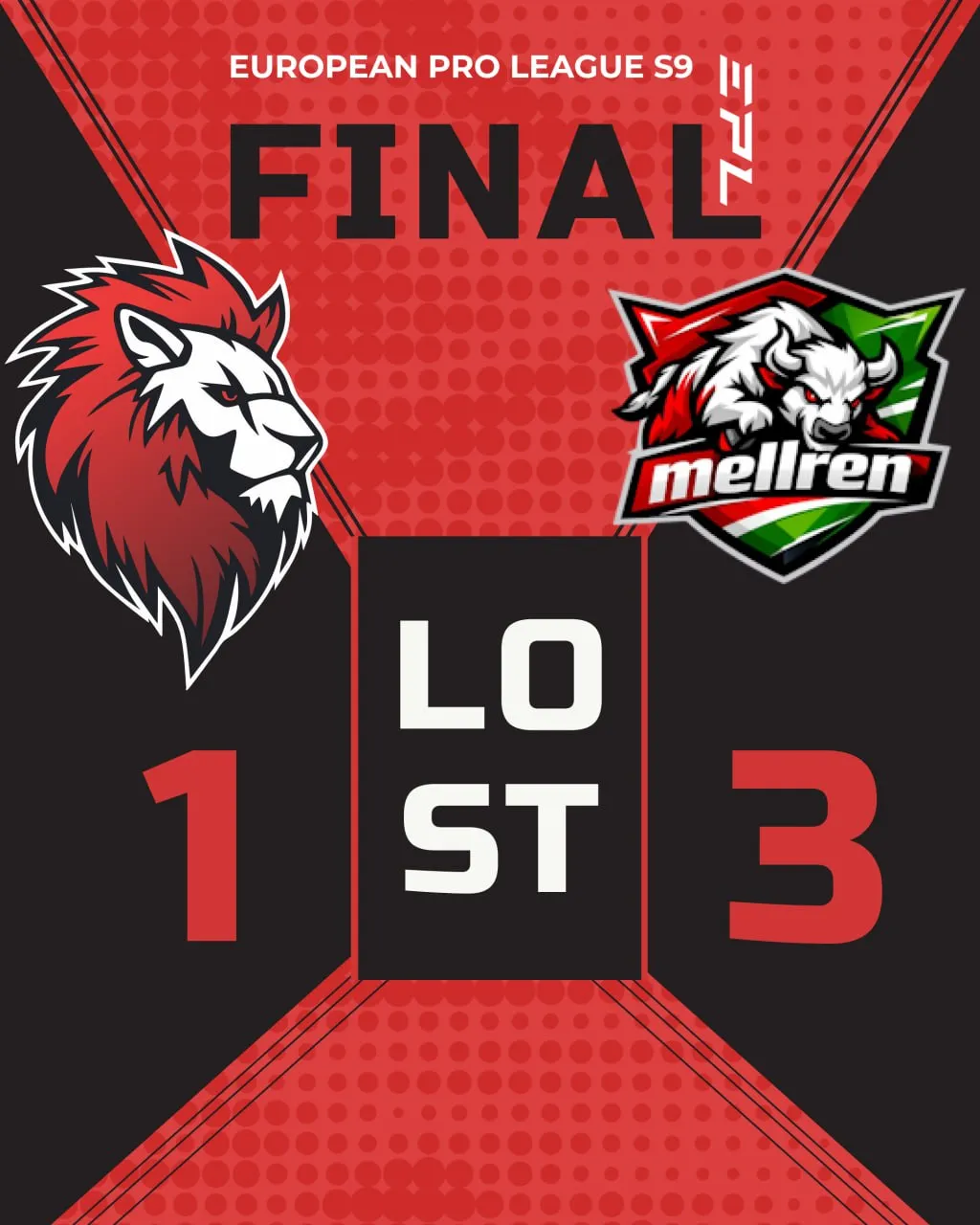
There, they faced mellren. Leo won Nuke again—13–10—but lost the next three maps and finished the tournament in second place.
It is precisely these two consecutive results—the CCT semifinals and the EPL finals—that are important for assessing their current form. A single successful run could still be attributed to a favorable bracket or good form over the course of a few days. Two long tournament runs, however, are more indicative of the systematic work of the new roster.
drac remains one of the key factors behind the team’s success
On an individual level, drac particularly stands out among the current starting five. His rating hovers around 1.14–1.15, which is the best on the team. At the same time, the French player’s importance isn’t limited to statistics alone.
drac regularly takes the initiative, creates the early advantage in rounds, and is capable of influencing key moments. This is crucial for systematic play: a strong individual player allows the team to gain an advantage, which can then be capitalized on through pre-planned plays. At the same time, Leo doesn’t rely solely on a single player. In various matches, Tarkky, leen, and other players have stepped up.
next1me’s form has also improved noticeably. His overall rating remains close to 1.00, but lately he has looked more consistent in firefights, especially on Nuke.
In the new game structure, this gives the team more options during a round: if several players are capable of creating an advantage at the same time, it’s harder for the opponent to predict exactly which player Leo will use to build the attack.
The team increased the number of practice sessions leading up to the LAN
Ahead of DraculaN, Leo has significantly increased its training workload. Over the past week, the team has held more than ten practice sessions with other teams. These practices aren’t just for gaining gameplay experience. During these sessions, the team tests new strategies from their playbook, practices controlling key areas of the map, and observes how their prepared plays perform against real opponents.
Preparation for the LAN isn’t limited to server play, however. The team has started closely monitoring the players’ sleep patterns and schedules so they can approach the tournament with a more stable routine.
Another area of focus is communication within the international roster. Leo has already held several group sessions with a psychologist, during which the players analyzed complex aspects of their interactions and performed exercises to ensure quick and accurate information exchange.
For a team that includes a Ukrainian, Poles, and French players, this has practical significance directly during matches. The goal is to ensure that necessary information is conveyed as concisely and clearly as possible, and that all five players interpret commands and game situations in the same way.
Opponents are analyzed even before the bracket is released
A key part of preparing for DraculaN is studying potential opponents. While the final schedule and group compositions aren’t yet available, Leo isn’t waiting for the draw to begin preparing for a specific team.
The players and coaching staff are already gradually gathering information about potential opponents: they’re looking at which maps they choose most often, how they build their rounds, where they try to take control of the map, and what strategies they use in key situations.
This allows them to develop a basic understanding of different playstyles even before the LAN event begins. Once the specific bracket is announced, the team will be able to fine-tune their preparation specifically for their opponent, rather than starting their analysis from scratch.
DraculaN will be the main test for the new roster
Leo will have the chance to put the results of the past few months to the test on October 19–23 at DraculaN Season 7 in Bucharest. The level of competition there will be significantly higher than in most of the team’s recent online tournaments. Among the announced participants are FaZe, HEROIC, Ninjas in Pyjamas, BC.Game, SAW, SINNERS, and 9INE.
Leo is heading to Bucharest with significantly more team practice under their belt, having reached the CCT semifinals and the EPL finals, with a solid Nuke performance and a broader pool of prepared maps. At the same time, the team has increased the number of training sessions, systematized its work with the strategy book, is working on communication, and is studying potential opponents in advance.
Therefore, DraculaN will be an opportunity to test more than just the players’ individual form. For Leo, it will be a test of the entire system the team has been building over the past two months—from tactical schemes and map pool to player coordination under the pressure of an offline tournament.


