
Blue light killed 64 Campylobacter strains in a UK test — News-Medical
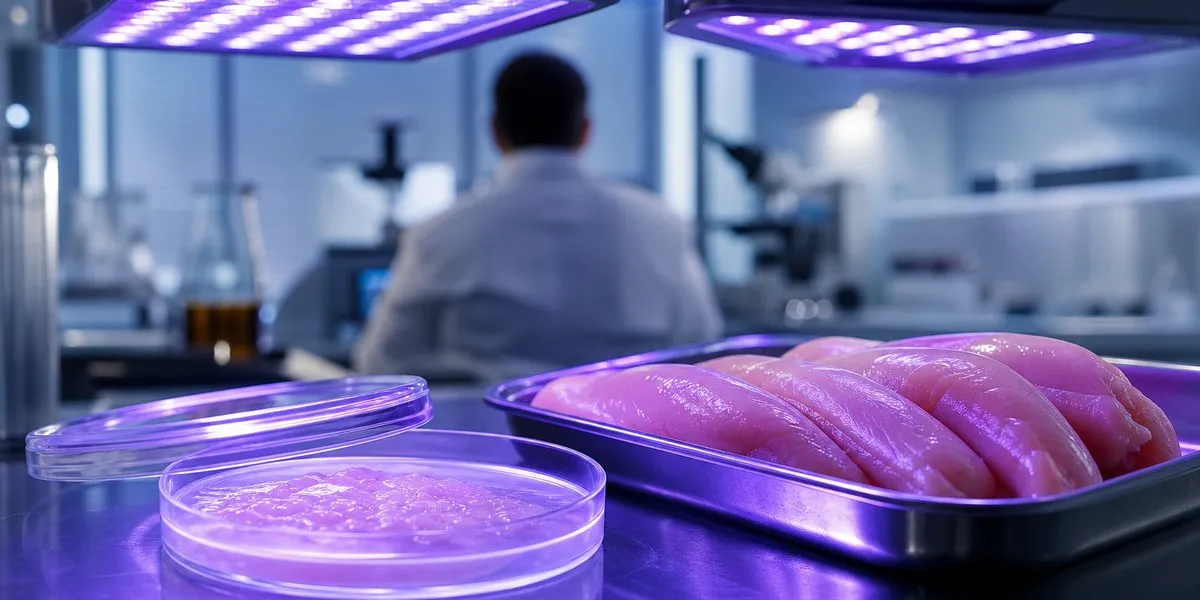
In the United Kingdom, researchers at the University of Reading, together with the Animal and Plant Health Agency, tested violet-blue light treatment against 64 strains of Campylobacter bacteria. All tested strains were killed regardless of the bacterial species and its antibiotic resistance, News-Medical reports.
How the method works
The technology was named violet-blue photodynamic inactivation, or VB-PDI. It involves irradiating bacteria with low-power visible light. Molecules naturally found inside bacterial cells produce reactive oxygen species under the influence of light in quantities that are lethal to them.
The method does not require physical contact with the product or the addition of chemicals. Scientists are considering it as a possible way to treat poultry carcasses at facilities after slaughter and before products reach consumers.
More current news is available on the UA.News Telegram channel Telegram.
Testing resistance
Campylobacter is described as the most common cause of bacterial food poisoning worldwide. These bacteria are found in approximately three quarters of raw chicken meat sold in the United Kingdom. Heat treatment kills the pathogen, but cross-contamination while handling raw meat is considered the main route of infection.
The authors also found no signs that the bacteria could develop resistance to light treatment. One strain was irradiated 15 times in succession in the laboratory in an attempt to stimulate the emergence of resistance, but no increased tolerance to the procedure was recorded. Strains with antibiotic resistance were destroyed just as effectively as susceptible ones.
According to the team’s estimate, reducing carcass contamination by 100 times could lower the share of heavily contaminated products in retail from about one in ten to one in fifty. However, before commercial implementation, the technology still needs to be tested on naturally contaminated poultry carcasses under real processing facility conditions.


